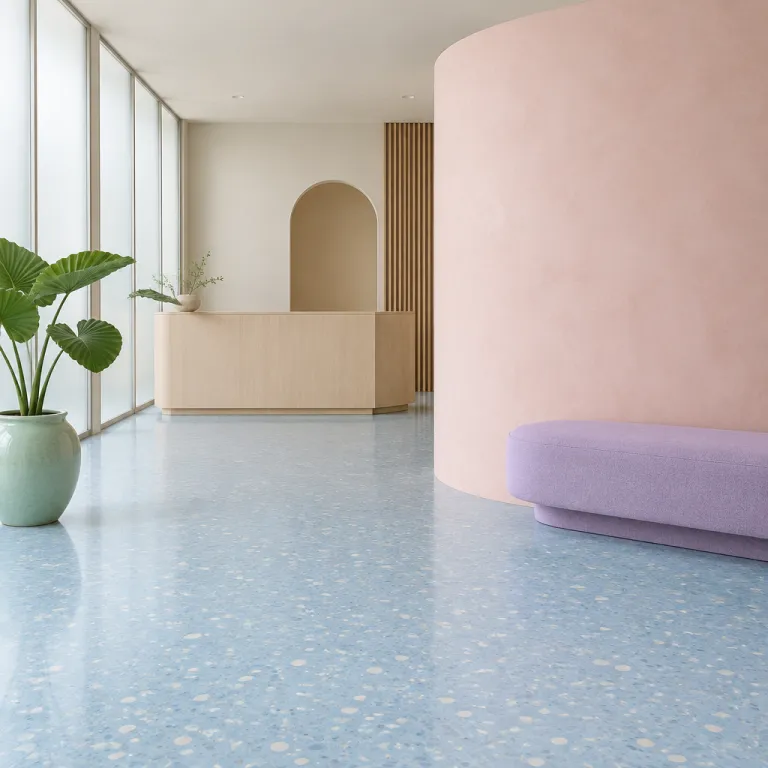
What “design led” really means when you check into Bangkok
In bangkok, a genuinely design led hotel starts long before the lobby. The most interesting bangkok design hotels interior studios treat each property as a narrative project, where the architecture, interior design and service rituals all speak the same language. When you walk into a hotel in bangkok thailand and feel the city’s energy, the river’s history and Thai craft in one coherent space, you are experiencing design thinking made visible.
Look closely at the architecture interior story rather than just the photos of a stylish living room. A serious design studio will map how you move from street to reception, from guestroom to rooftop, choreographing light, sound and furniture so the interiors feel intuitive rather than staged. In the best hotels, every furnishings space decision, from the height of a workplace style desk to the curve of a chair, is part of a larger project that respects both the building and the neighbourhood.
For travelers comparing hotels across thailand, this is where bangkok design becomes a useful filter. A property shaped by a thoughtful design firm or by collaborative firms in bangkok will usually age better, because its interiors are built on ideas rather than trends. When you see a clear concept explained in the hotel’s story, and you notice how that concept shapes the guest spaces and the flow of living, you can expect a stay that feels calm, legible and quietly luxurious.
From riverside warehouses to heritage resorts on the Chao Phraya
Along the chao phraya river, adaptive reuse has become the city’s most compelling design laboratory. Old warehouses, trading houses and former family compounds are being reimagined as luxury hotels, with bangkok design hotels interior studios carefully retaining raw concrete beams, teak columns and original brickwork. This approach lets you sleep inside the city’s trading history while enjoying modern luxury comforts and precise interior design.
In these riverside projects, the best thai designers treat every inherited space as a partner rather than a blank canvas. A design studio might keep a weathered façade facing the river, then soften the interiors with natural materials, low slung furniture and layered textiles that reference traditional thai living. When you book a heritage resort on the river, look for language about architecture interior preservation, because that usually signals a studio that understands how to balance patina with comfort.
These riverside hotels also pair beautifully with day trips that extend your sense of place. If you are planning late summer escapes that combine a luxury city stay with excursions beyond the historic heart of bangkok, use guides that connect riverfront properties with nearby cultural routes and boat journeys. The more a project acknowledges the chao phraya as a living artery rather than just a backdrop, the more your stay will feel anchored in the real bangkok thailand rather than in a generic resort bubble.
International studios, Thai talent and the new Bangkok aesthetic
Some of the most interesting hotels in bangkok emerge when international studios collaborate with thai designers. At Canopy by Hilton on Sukhumvit Soi 12, for example, New York based AvroKO wove local reference into the interior design, using indigo Paa Khram textiles and layered textures to ground the project in thailand’s craft traditions. This kind of partnership shows how a global design firm can learn from a bangkok studio that understands the city’s micro neighbourhoods and cultural codes.
Across the heart of bangkok, you will see similar collaborations in properties that mix raw concrete with warm timber, or that pair sculptural furniture with handwoven thai fabrics. When studio founders from abroad work closely with local interior designer teams, the resulting interiors often feel both cosmopolitan and deeply rooted in place. If you read that a hotel has been shaped by multiple design firms in bangkok, that usually signals a richer dialogue between international ideas and local architecture interior knowledge.
Timing your stay can also change how you experience these design choices. Planning a trip during a shoulder season sweet spot often means quieter public spaces, giving you more time to notice details like custom furnishings space solutions or subtle lighting shifts. When you can sit in a nearly empty living room lounge and watch how the city’s light moves across natural materials, you start to understand why bangkok design hotels interior studios obsess over every surface and sightline.
How to read design intent from photos, plans and booking pages
When you scroll through booking sites, train your eye to read beyond the obvious. Start by asking whether the hotel’s interiors tell a consistent story from lobby to guestroom, or whether each space feels like a separate project stitched together. Properties shaped by serious bangkok design hotels interior studios will usually show a clear thread in materials, colour and furniture forms, even when the functions of the spaces differ.
Look for clues in the way living spaces are framed and described. A room that highlights a generous living room zone, thoughtfully placed furnishings and a calm workplace corner suggests that the interior designer has considered how you will actually use the space. When you see references to natural materials, custom furniture and carefully tuned lighting rather than just generic luxury language, you are likely looking at work from a focused design studio or a detail driven design firm.
Floor plans and captions can also reveal the priorities of the architecture interior team. If the hotel explains how rooms orient toward the river, the city skyline or a quiet courtyard, that signals a project where space planning has been taken seriously. Over time, you will start to recognise the signatures of particular thai designers and firms in bangkok, from their handling of raw concrete to their preference for open plan spaces or more intimate, layered interiors.
Choosing a stay by materials, mood and the feel of the city
Once you start noticing materials, bangkok becomes a different kind of design classroom. Many of the most interesting hotels in bangkok thailand use natural materials such as teak, rattan and stone to soften the edges of raw concrete structures, creating a dialogue between toughness and tactility. This balance is central to modern luxury in the city, where guests expect both visual drama and a sense of ease in every living space.
Pay attention to how furnishings space is handled in public areas and guestrooms. A well resolved living room lounge will offer multiple ways of sitting, working and socialising, with furniture scaled to the architecture rather than to a catalogue. When bangkok design hotels interior studios get this right, you feel an almost invisible comfort, as if the space has anticipated your movements before you arrive.
For solo travelers, this sensitivity to space can make or break a stay. A hotel that understands the rhythms of the heart of bangkok will give you quiet corners, generous daylight and intuitive circulation between spaces, not just a dramatic lobby. If you want a deeper dive into how a thoughtful urban property can function as a sanctuary while still engaging with the city, look for case studies of urban sanctuaries for smart city stays that analyse both architecture and interior design choices.
FAQ
How can I tell if a Bangkok hotel has been designed by a serious studio ?
Look for a clear design narrative that links the architecture, interiors and service, rather than just a collection of stylish photos. Serious bangkok design hotels interior studios usually explain their concept, name the design firm or design studio involved and highlight specific materials or thai craft references. When you see this level of detail, you can expect a more coherent and comfortable stay.
Why do so many luxury hotels in Bangkok use raw concrete and natural materials ?
Raw concrete offers a strong architectural frame that suits the density of the city, while natural materials such as timber, rattan and stone bring warmth and tactility. In bangkok thailand, this contrast has become a hallmark of modern luxury, especially in properties shaped by thai designers and collaborative firms in bangkok. The combination allows interiors to feel both urban and calm, which is ideal after a day in the heart of bangkok.
Are riverside heritage resorts on the Chao Phraya better than city center design hotels ?
They offer different experiences rather than a simple better or worse comparison. Riverside heritage resorts along the chao phraya immerse you in the river’s history and slower rhythms, often within adaptive reuse projects that celebrate older architecture. City center hotels shaped by leading bangkok design hotels interior studios place you closer to nightlife, dining and transport, with interiors that reflect the pace of the modern city.
What should solo travelers prioritise when choosing a design led hotel in Bangkok ?
Solo travelers should focus on how spaces feel to inhabit, not just how they look in photos. Prioritise hotels where the interior designer has clearly considered circulation, lighting and furnishings space, offering comfortable places to read, work and relax alone. A property that balances social areas with quiet corners will usually make a solo stay in bangkok feel more grounded and restorative.
Do international design firms understand Bangkok as well as local Thai designers ?
International studios bring valuable experience from other cities, but the most successful projects in bangkok pair them with local thai designers and firms in bangkok. These collaborations blend global expertise with granular knowledge of climate, culture and neighbourhood life. When both perspectives are present, the resulting hotels tend to feel more authentic, nuanced and responsive to the city.