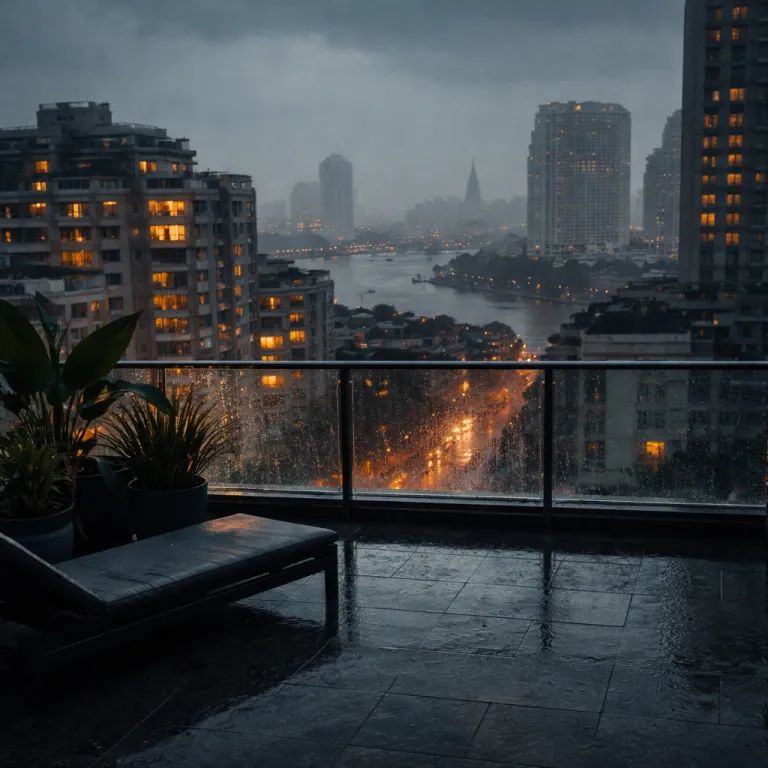
Bangkok rainy season luxury guide: turning Thailand’s shoulder months into an advantage
Reading the rainy season: how Bangkok really feels from May to October
Bangkok in the rainy season is not a washout; it is a rhythm. Tropical weather rolls in as short, theatrical bursts of rain, usually for one or two hours in late afternoon, leaving long windows of warm, walkable time for your trip. For luxury travelers planning to visit Bangkok, understanding this monsoon pattern is the first step to turning Thailand’s rainy months into an advantage rather than a compromise.
From May to October, the monsoon season reshapes the city’s mood, but not its energy. You will feel humid air, higher temperatures around 30 °C, and sudden showers that clean the streets and deepen the colours of temple roofs and riverside frangipani trees. This is often the best time of year to secure serious rate drops at five star properties, while many visitors still assume that Thailand’s monsoon conditions mean constant storms and cancelled plans.
Think of this period as Bangkok’s true shoulder season, sitting between the cooler peak months and the quieter low season weeks across Thailand. Hotels talk about April and November as classic shoulder markers, yet the value now stretches across more rainy months, especially for couples who can be flexible about when they travel. When you visit Thailand during this window, you trade a few dramatic downpours for quieter lobbies, easier restaurant reservations and a calmer Chao Phraya, which is a very fair exchange for any romantic trip.
Why luxury rates fall when the clouds gather over Bangkok
High season in Bangkok still commands premium pricing, with average four star rates significantly higher than during the monsoon season. As demand softens once the rainy weather arrives, the same calibre of suite that felt unattainable in January suddenly becomes accessible, especially for couples planning a longer visit Thailand itinerary. Industry snapshots from major online travel agencies and STR-style market reports for 2022–2024 show a consistent pattern: reduced demand leads to lower prices and targeted promotions.
Across Central Thailand, many luxury properties quietly adjust their pricing strategy between April and November, when the pre-monsoon and post-monsoon periods frame the core rainy season. Sample OTA data for Bangkok city hotels over recent years indicates that average four star rates can slide from around 140 USD per night in high season to roughly 120 USD in the shoulder months, and closer to 90 USD once the full Thailand rainy pattern settles in. For a five night stay, that difference can fund a serious spa programme, a private long-tail boat charter on the Gulf of Thailand side, or a tasting menu at one of the city’s Michelin starred dining rooms.
Smart travelers use this time to visit Bangkok with intent, pairing lower rates with more personalised service and quieter public spaces. Before you travel Thailand, check current visa rules and stay limits, as policies shift and can influence how long you linger in the capital; our dedicated briefing on what luxury travelers need to know about visa free stays is a useful starting point. Once the administrative side is clear, you can focus on curating a trip that treats the monsoon as a backdrop rather than a barrier.
Designing personalised rainy day itineraries with Bangkok’s best hotels
The most rewarding Bangkok rainy season travel tips start at check in, not in a generic travel guide. Top tier properties along the Chao Phraya and in Sathorn now build personalised itineraries that flex around the rain, using live radar, concierge intel and your own preferences. At riverside icons such as Mandarin Oriental, Bangkok or The Peninsula Bangkok, you might begin your stay with a morning temple walk while skies are clear, then retreat to a private spa suite once the first drops hit the river.
Concierges who understand Thailand’s monsoon patterns will schedule outdoor activities early, keeping indoor experiences on standby for the stormier hours. A couple staying in riverside suites could spend one rainy afternoon in a Thai cooking class, another in a curated art tour through galleries in Charoen Krung, and a third exploring hotel wellness programmes while the monsoon season hums outside. Many properties now pair these experiences with shoulder season promotions, and our overview of Bangkok hotel booking promotions and exclusive offers helps you identify which packages genuinely add value to your trip.
For couples planning to travel Thailand beyond the capital, concierges can also weave in side trips that respect regional weather. A personalised itinerary might send you north to Chiang Mai and Chiang Rai during slightly cooler months, then down to Koh Samui or Koh Phangan in the Gulf of Thailand when its own rainy season eases. Used well, these tailored plans turn the broader season Thailand calendar into a canvas, aligning each place you visit with its best time for soft light, manageable temperatures and minimal crowds.
Beyond Bangkok: timing Chiang Mai, Koh Samui and the islands in the rain
Bangkok rarely exists as a standalone trip for luxury couples; it is the anchor for wider Thailand travel. Once you understand how the capital behaves in the rain, you can map the rest of your route around shifting monsoon lines and regional temperatures. A simple three-stop plan might look like this: three nights in Bangkok for temples and dining, four nights in Chiang Mai for misty hills, then five nights on Koh Samui for beach time under clearer skies.
In the north, Chiang Mai and Chiang Rai feel different in the rainy season, with mist on the hills and cooler evenings that suit pool villas and slow travel. Many travelers still assume that any Thailand rainy forecast is a reason to cancel, but in reality showers often arrive as short bursts that leave the countryside greener and the air cleaner. A good travel guide will help you choose places to visit where the monsoon season enhances the landscape, from jungle retreats near Chiang Rai to design forward riverside stays in Chiang Mai.
Down south, the Gulf of Thailand islands follow their own logic, with Koh Samui and Koh Phangan often enjoying calmer weather when the Andaman side is stormy. If you plan your visit carefully, you can leave Bangkok after a week of dramatic skies and Michelin dinners, then fly to Koh Samui for clearer seas and quieter beaches. For dining in the capital before or after the islands, our field guide to Bangkok’s Michelin starred restaurants is essential reading, especially when rain makes a long, indulgent lunch the highlight of the day.
FAQ
What is considered the shoulder season for luxury travel in Bangkok ?
Shoulder season in Bangkok generally refers to the transition periods between the busiest cool months and the quieter low season, when demand and prices both soften. Many hoteliers treat April as a pre-monsoon shoulder month and November as a post-monsoon one, but value now often extends into the broader rainy season. For luxury travelers, this is usually the best time to secure lower rates while still enjoying manageable weather and full service levels.
How much cheaper are luxury hotels in the rainy season compared with peak months ?
Average four star rates in Bangkok tend to be significantly lower once the rainy season begins, reflecting reduced demand. While exact figures vary by property and dates, typical patterns in OTA and STR-style datasets for recent years show a clear step down from high season pricing into shoulder and low season levels. Over a multi night stay, those savings can easily cover premium experiences such as spa treatments, private guides or upgraded suites.
Is the weather during the Bangkok rainy season suitable for a romantic trip ?
The rainy season in Bangkok brings warm temperatures, higher humidity and short, intense showers rather than all day storms. For couples, this can create an atmospheric backdrop, with dramatic skies, lush greenery and quieter city streets between bursts of rain. With a flexible itinerary and support from a good concierge, it remains a very workable and often rewarding time for a romantic visit.
Why are hotel rates lower during the shoulder season in Bangkok ?
Rates fall during the shoulder season because fewer visitors compete for the same rooms, especially once the cool, dry months have passed. Hotels respond to this softer demand with promotions, value added packages and more negotiable pricing on higher room categories. This dynamic allows luxury travelers to access premium properties and suites that might be out of reach during peak periods.
Should I worry about flooding or major disruption when visiting Bangkok in the rain ?
Heavy rain can occasionally cause localised flooding in parts of Bangkok, particularly during the strongest monsoon bursts. Luxury hotels are used to these conditions and typically adjust transport plans, route suggestions and activity timings to keep guests comfortable. If you stay informed through your concierge and allow some flexibility in your schedule, serious disruption to a well planned trip is relatively rare.