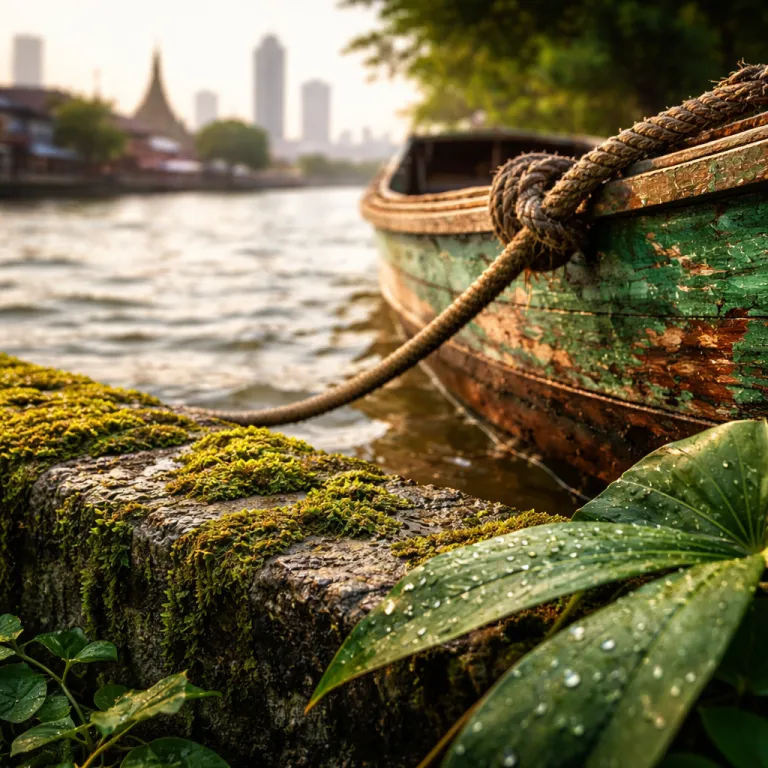
Where to stay in Bangkok if you want an urban sanctuary
Choosing where to stay in Bangkok shapes how you feel the city. The same Bangkok skyline can mean meditative river sunsets or neon-soaked nights along Sukhumvit Road, so the right area matters more than the star rating. When you plan where to stay in Bangkok, think first about rhythm: do you want slow Chao Phraya evenings or fast, BTS-linked mornings.
For first timers asking where to stay in this vast city, I usually start with three anchors. Riverside for heritage luxury hotels and calm, Sukhumvit for energy and dining, and Silom or Sathorn for a balanced base that mixes business polish with Lumpini Park greenery. Local tourism boards summarise it clearly: “Sukhumvit is ideal for first-time visitors due to its convenience and variety.”
Bangkok now counts more than sixty BTS stations, so your chosen area dictates how easily you glide between temples, malls and rooftop pool bars. According to the Bangkok Mass Transit System’s 2023 network map, the core Sukhumvit and Silom lines alone serve over 40 stops, with extensions still opening. When you compare hotels in Bangkok, map the distance from your room to the nearest BTS or river pier, not just to the main sights; that simple habit often matters more than chasing the absolute best prices or the flashiest pool floor.
Bangkok riverside: heritage icons and quiet luxury
If your idea of where to stay in Bangkok involves slow mornings and river breezes, focus on the Bangkok riverside. Along the Chao Phraya River and the older canals, the city softens into a sequence of temples, warehouses and grand luxury hotels. Longtail boats slide past as you swim in a hotel pool, and the city noise feels one or two rooms away.
The Mandarin Oriental Bangkok remains the reference point here, often simply called the Oriental Bangkok by regulars. This legendary riverside hotel pairs teakwood suites and river-facing rooms with discreet service that still feels resolutely Thai. Many couples choose it as their Bangkok base because you can step from afternoon tea straight onto a boat to explore the city.
Other top properties on this stretch lean into the same riverside calm, with generous pool decks and shaded gardens. Typical nightly rates for upscale riverside hotels often start around the mid-US$200s and climb steeply for suites with full Chao Phraya River views, reflecting the premium for direct frontage and private pier access. When you compare hotels in this area, look at how many rooms truly face the water, not just partial side views, and check walking or shuttle-boat time to nearby piers such as Sathorn or Tha Tien.
Silom and Sathorn sit a short boat or taxi ride inland, so you can pair a river stay with a night or two closer to the financial district. That is where the SO/ Bangkok location shows how a central address can still feel like an urban resort. From here, you move easily between river, park and rooftop pool terraces without sacrificing city access.
Sukhumvit and Siam: where the city’s energy never really sleeps
Travellers who ask where to stay in Bangkok for shopping, dining and nightlife usually end up in Sukhumvit or Siam. This is the Bangkok of skywalks, rooftop pool parties and late night street food on almost every corner. The BTS lines intersect here, so your stay becomes a series of quick hops rather than long taxi rides.
Sukhumvit Road runs like a spine through the city, with each soi offering a slightly different mood. Around Asok and Phrom Phong, you find some of the best hotels for couples who want design-forward rooms, serious air conditioning and easy access to malls such as Emporium. Expect a wide range of nightly prices, from roughly US$80–150 for well-rated midrange properties to US$200 and above for five-star towers with rooftop pools. When you compare a hotel on Sukhumvit with one near the river, you trade sunsets over the Chao Phraya River for instant access to restaurants and bars.
Siam, anchored by the BTS Siam station, suits travellers who treat the city as one large open air mall. Here, Bangkok hotels tend to be high rise, with pools perched on upper floors and rooms designed for quick city breaks. If you are wondering where to stay for a short stopover, a Siam or central Sukhumvit address keeps transfers simple and prices relatively predictable, with many properties sitting within a five to ten minute walk of major interchanges such as Siam, Chit Lom or Asok.
For a deeper look at how to match neighbourhoods with your travel style, the guide on elegant and memorable city escapes breaks down more nuanced choices. It explains why a couple might choose a calm side street in Phrom Phong over a louder stretch of Sukhumvit Road. That kind of soi-by-soi thinking is what separates a good Bangkok stay from a truly great one.
Silom, Sathorn and the art of the balanced city stay
Silom and Sathorn answer a different version of the where to stay in Bangkok question. These districts sit between the river and Sukhumvit, blending financial district energy with leafy residential streets and easy BTS or MRT access. For couples who want to feel the city yet sleep in quiet rooms, this area often becomes the best compromise.
Silom by day is all business towers and embassy compounds, but by night the sois fill with Thai street food stalls and small bars. Hotels here tend to offer excellent value, with generous room sizes, reliable air conditioning and often a rooftop pool overlooking Lumpini Park. When you compare prices with similar quality along Sukhumvit Road, Silom and Sathorn frequently come out as great options for longer stays, with many four-star properties starting around US$100–150 per night outside peak holidays.
Sathorn stretches south towards the river, with a mix of luxury hotels and serviced residences that suit business and leisure travellers. Many properties here feature elevated pool decks, spa-level wellness facilities and thoughtful room layouts that work for both laptops and late night room service. If you are planning a business trip that extends into a weekend, this area lets you move easily between meetings, park runs and river dinners.
From Silom, you can reach the Chao Phraya River piers in minutes, then cross to the Bangkok riverside hotels for drinks or dinner. That flexibility is why I often recommend this area to travellers who want one central base for both work and pleasure. It feels like the city in balance: never too loud, never too quiet.
Khao San Road, Casa Nithra and the old town’s evolving luxury
Ask a taxi driver where to stay in Bangkok for backpacker energy and they will still say Khao San Road. This short street and the surrounding lanes remain a magnet for budget travellers, with neon signs, bars and constant music. For many luxury travellers, that sounds like exactly where not to stay, yet the wider area around the old town is changing.
Casa Nithra, a calm property a short walk from Khao San Road, shows how the district is maturing. Here, rooms are quieter, the rooftop pool is more about sunsets than parties, and the service feels closer to small luxury hotels than to hostels. Couples who want to sample the street food and nightlife of Khao San Road can stay nearby without sleeping directly above the noise.
The old town places you close to the Grand Palace, Wat Pho and the river ferries that cross the Chao Phraya. When you choose a hotel in this historic quarter, you trade direct BTS access for heritage architecture and shorter taxi rides to the main temples. For some travellers, especially on shorter trips, that proximity to the historic heart of Bangkok is worth more than a quick train connection.
Prices in this area tend to be lower than along Sukhumvit Road or the Bangkok riverside, even for well appointed rooms with strong air conditioning. Midrange hotels near Khao San Road and the surrounding old town often start around US$50–90 per night, with boutique options slightly higher but still below comparable riverside rates. If you split your stay between here and a second hotel in Silom or Sukhumvit, you can experience two very different sides of the city. That dual base strategy often delivers the best of both worlds: culture first, cocktails later.
How to choose the best hotels in Bangkok for your trip
Once you know where to stay in Bangkok in broad terms, the next step is choosing specific hotels. Start with your non-negotiables: do you need a large pool, a quiet room, or immediate BTS access. In this city, the right match between area, property style and your own rhythm matters more than chasing a single “best hotels” list.
For couples, I usually suggest shortlisting three neighbourhoods that fit your plans, then comparing options within each. Along the Bangkok riverside, prioritise properties with direct river access, generous pool decks and rooms that face the Chao Phraya River. In Sukhumvit or Siam, focus on walking distance to BTS stations, soundproofing and whether the rooftop pool feels serene or like a constant party.
Silom and Sathorn reward travellers who value calm streets and easy access to both river and park. Here, even a modest pool can feel luxurious if the rooms are well designed, the air conditioning is quiet and the service is attentive. In the old town, places like Casa Nithra show how you can enjoy Khao San Road energy while retreating to a more refined Bangkok stay at night.
If you are planning a wider regional journey, the guide to elevated resort escapes in Southeast Asia pairs well with this neighbourhood-focused approach. It helps you decide whether to end your city stay with a beach resort or a mountain retreat. Either way, Bangkok remains the urban anchor, the city where your trip begins and ends.
From street food to rooftop pools: making the most of your stay
Where to stay in Bangkok is not only about the hotel; it is about how you move between street food stalls, temples and rooftop pool terraces. In every area, ask concierges where they themselves eat, not just the polished recommendations. Often, the best bowl of noodles sits on a quiet street one or two blocks from your hotel entrance.
Along Sukhumvit Road and in Siam, you can graze on Thai street food between malls, then retreat to air conditioned rooms high above the traffic. On the Bangkok riverside, dinners often start with a boat ride along the Chao Phraya River, then end with a drink back at your hotel’s pool deck. In Silom and Sathorn, evenings might mean a walk through Lumpini Park followed by cocktails on a rooftop pool deck overlooking the city.
Even in the Khao San Road area, a carefully chosen property such as Casa Nithra lets you sample the chaos before returning to calm. That contrast between intense street life and quiet rooms is part of what makes Bangkok hotels so compelling for repeat visitors. Once you understand where to stay for each mood, the city becomes less overwhelming and far more rewarding.
For travellers who fall for Bangkok and start planning return trips, the question shifts from a single “where to stay in Bangkok” decision to a collection of favourite corners. One visit might focus on the Oriental Bangkok and the river, another on a design-forward stay in Sukhumvit. Over time, the city becomes a set of personal maps, each hotel choice tied to a different chapter of your travels.
Key figures for planning your Bangkok hotel stay
- Bangkok currently operates more than 60 BTS Skytrain stations across the city, which means most central hotels are within a short walk or taxi ride of rapid transit; this significantly reduces travel time compared with relying only on road traffic (based on data from the Bangkok Mass Transit System’s published network map, accessed 2024).
- The city welcomes well over 20 million international tourists per year in typical high-travel years, underlining why early hotel bookings in popular areas such as Sukhumvit, Siam and the Bangkok riverside are essential during peak seasons (according to Tourism Authority of Thailand statistics and UNWTO tourism data for pre-2020 benchmark years, reviewed 2024).
- Riverside luxury hotels often price entry level rooms noticeably higher than comparable properties in Silom or Sathorn, reflecting the premium attached to direct Chao Phraya River frontage and private pier access (based on aggregated rate comparisons from major booking platforms and hotel pricing snapshots taken in 2024).
- Central districts such as Sukhumvit and Siam typically offer the highest density of Bangkok hotels, giving travellers a wide range of room categories, from compact city rooms to expansive suites with rooftop pool access (drawn from Bangkok hotel inventory surveys and booking data compiled by industry analysts up to 2023).
FAQ about where to stay in Bangkok
Which area in Bangkok is best for first time visitors ?
Sukhumvit is usually the best area for first time visitors because it combines excellent BTS access, a wide choice of hotels and easy links to both shopping and dining. The mix of malls, restaurants and nightlife means you can experience several sides of the city without long transfers. From here, it is simple to reach the river, Siam and even Khao San Road by taxi.
Is Khao San Road suitable for families ?
Khao San Road itself is better suited to backpackers and younger travellers who enjoy late night noise and bars. Families usually prefer quieter streets nearby or different districts such as Sukhumvit, Silom or the riverside, where rooms are larger and facilities more family focused. Staying slightly away from the main road lets you visit the area without compromising sleep.
How can I get around Bangkok efficiently from my hotel ?
The most efficient way to move around Bangkok is to combine the BTS Skytrain and MRT subway with occasional taxis or river boats. When choosing a hotel, check walking distance to the nearest station or pier, as this often matters more than distance to a specific attraction. Using rail and river transport helps you avoid the city’s frequent road traffic jams.
Which area is best for luxury hotels in Bangkok ?
The Bangkok riverside hosts many of the city’s most established luxury hotels, including the Mandarin Oriental Bangkok and several newer flagships. Sukhumvit and Sathorn also offer excellent high end options, often with more contemporary design and easier access to business districts. Your choice should depend on whether you value river views and heritage or direct access to shopping and nightlife.
Should I stay in one hotel or split my stay between areas ?
Many experienced travellers split their stay between two areas, such as a few nights on the river followed by time in Sukhumvit or Silom. This approach lets you experience both the historic and modern sides of the city without long daily commutes. If your trip is longer than four nights, a two hotel strategy often delivers a richer sense of Bangkok.