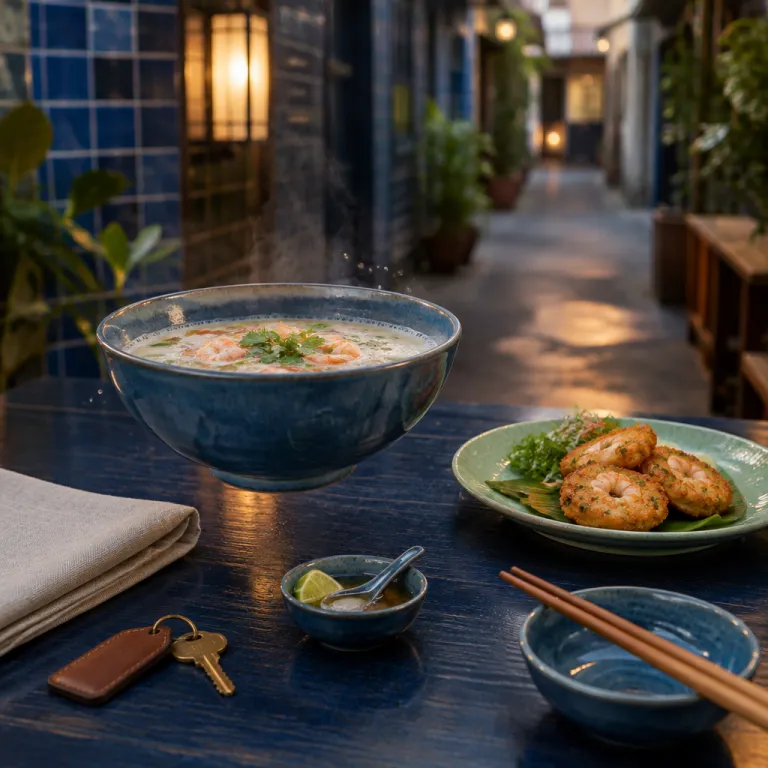
The real luxury in Bangkok: eating where the staff actually go
Ask any seasoned concierge in Bangkok where they eat and you will feel the city shift. Their answer rarely involves the hotel lobby bar, but a tiny street corner where the food is fast, fragrant and quietly perfect. Understanding where Bangkok chefs eat local restaurants is the most reliable shortcut to the best plates in Bangkok Thailand.
In luxury travel, guests often focus on Michelin star reservations and river views, yet the real story of Thai cuisine lives in the steam of boat noodles and the crackle of crispy pork on a side street. The smartest couples now balance a tasting menu by a chef like Gaggan Anand with a late night bowl of tom yum soup at a fluorescent lit restaurant where the bill barely reaches a few hundred THB. When you choose a premium hotel in Bangkok, you are also choosing an équipe of concierges and chefs whose own favourite restaurants quietly map the city’s most authentic food Thai experiences.
Think of your hotel as a curated gateway rather than a sealed sanctuary, because the right property in Pathum Wan or by the Chao Phraya will place you within minutes of the best street food and traditional Thai restaurants the staff actually frequent. A good concierge will not only mark a location on Google Maps, they will tell you which crab fried rice stall has the fluffiest grains and at what opening hours the chef is still behind the wok. This is where bangkok chefs eat local restaurants becomes less a search query and more a living itinerary shaped by people who eat here every day.
How to ask a concierge for the places they really love
Most guests walk to the desk and ask for the best Thai food nearby, which almost guarantees a safe, tourist friendly restaurant with laminated menus. Change the question and you change the answer, because concierges and chefs relax when they realise you want to eat like a local rather than chase only famous restaurants. Start with something simple such as “Where do you and the kitchen team eat after work when you want good rice, curry or soup ?” and watch how the recommendations suddenly shift.
When you ask where Bangkok chefs eat local restaurants, be specific about the style of Thai cuisine you enjoy, whether that is spicy Isaan food, mellow central Thai dishes or a focused bowl of boat noodles. Mention that you are happy with plastic stools, street food and a bill under a certain THB amount, because this reassures staff that you are not expecting white tablecloths. You might hear about a shophouse in Pathum Wan for outstanding pork belly with basil, a family run pad Thai stall, or a tiny place for tom yum soup that never appears on glossy lists of the best restaurants in Bangkok Thailand.
Fine dining still has its place, especially if you are curious about a Michelin star chef’s interpretation of traditional Thai flavours, and your concierge can secure those reservations as well. For a structured overview of high end tables, use a dedicated field guide to Bangkok’s Michelin starred restaurants, such as the analysis on Bangkok’s Michelin starred restaurants. Then ask your hotel to balance that list with their own off duty favourites, from crispy pork over jasmine rice to late night pad Thai, so your stay includes both polished dining rooms and the restaurants where the staff themselves actually eat.
From river terraces to side streets: pairing fine dining with everyday tables
Bangkok rewards contrast, and nowhere is that clearer than in the way couples can move from a riverfront tasting menu to a plastic stool on the same night. You might start with cocktails and refined Thai cuisine on a Chao Phraya terrace, then ask your concierge to send you by taxi to their preferred street food stall for a second, more relaxed dinner. The question of where Bangkok chefs eat local restaurants becomes a way to stitch together both sides of the city in a single evening.
Many luxury hotels along the river now treat their own restaurants as part of a wider neighbourhood ecosystem, recommending nearby local restaurants for dishes they do not try to replicate in house. A property with a strong Thai food concept might focus on elevated traditional Thai recipes, while happily pointing you to a nearby street for boat noodles or grilled pork belly skewers. If you are planning a romantic stay, consider hotels that highlight local dining in their concierge notes and that feature in-depth guides to dining on the Chao Phraya, such as the river tables overview on dining on the Chao Phraya.
Once you have enjoyed a long dinner on the river, ask the staff where they would personally go for a late bowl of tom yum soup or a quick plate of crab fried rice. They may send you to a nearby restaurant with no website, only a pin on Google Maps and a handwritten board of dishes in Thai. This is the quiet luxury of Bangkok Thailand dining today, where the best memories often cost a few hundred THB and are eaten under neon lights rather than chandeliers.
Street food, shophouses and the places chefs whisper about
Some names circulate almost mythically when you ask where Bangkok chefs eat local restaurants, and they tend to be places that have earned respect over decades rather than through social media. Jay Fai, for example, is the street side restaurant whose crab omelette and wok fried dishes earned a Michelin star, yet many local chefs still speak about it in the same breath as their favourite anonymous stalls. Expect to queue, expect to pay more THB than at other street food spots, and expect a level of concentration from the chef that explains why Bangkok’s culinary community continues to rate it highly.
Another name that often appears on chef lists is Thong Smith, a specialist in boat noodles that has grown from a humble concept into a small group of restaurants across Bangkok Thailand. Here, the focus is on deeply flavoured soup, silky noodles and carefully sourced beef or pork, which makes it a useful benchmark for understanding how good this classic street dish can be. When concierges recommend Thong Smith, they are often steering guests toward a controlled environment where the flavours of Thai cuisine remain authentic but the setting feels comfortable for travellers.
On the more experimental side, Gaggan Anand represents the chef driven, high concept end of food Thai culture in the city, where tasting menus reinterpret familiar flavours like tom yum, curry and pad Thai in unexpected forms. Local chefs may not eat there weekly, yet they follow his work closely and sometimes send guests who want to understand Bangkok’s place in global gastronomy. Balance a night at a restaurant like this with a simple plate of crispy pork over rice or a bowl of Isaan food from a local restaurant the staff recommend, and you will feel how the city’s food culture stretches from street to stage.
Reading the map: using Google Maps and THB prices like a local
Once your concierge has shared where Bangkok chefs eat local restaurants, the next step is learning to read the city the way they do. Open Google Maps and you will notice clusters of restaurants around certain sois, often near markets, schools or transport hubs where foot traffic is constant. In these pockets, a mix of street food carts, shophouse restaurants and small air conditioned dining rooms compete quietly for the same lunch crowd, which keeps quality high and THB prices reasonable.
Look at photos and menus to understand whether a place focuses on Thai food classics like pad Thai, tom yum soup, crab fried rice or more specialised dishes from regional Thai cuisine. A restaurant with a short menu of ten dishes, cooked by the same chef for years, often delivers more consistent food than a venue trying to serve everything from curry to Western steaks. When in doubt, ask your concierge to mark their preferred spots on your map, including where they go for Isaan food, where they rate the best crispy pork and which locations they trust for late night rice dishes after service.
Price is another quiet signal, because in Bangkok Thailand a plate that costs a few dozen THB can still be excellent if the stall is busy and the turnover is high. Concierges often steer guests toward places where the bill for two, including soft drinks, stays under a certain THB threshold yet the ingredients remain fresh. Use these benchmarks to calibrate your expectations, and you will quickly learn to distinguish between restaurants priced for tourists and those that survive on local regulars who eat there several times a week.
The concierge test: choosing hotels that connect you to real food
Not all luxury hotels in Bangkok are equally fluent in the city’s everyday food culture, and this matters if you care about where Bangkok chefs eat local restaurants. Before booking, read how the property talks about Thai cuisine on its website and whether it highlights nearby street food, local restaurants and neighbourhood markets. A hotel that only promotes its own restaurant without mentioning the surrounding streets may not be the partner you want for a deeply local stay.
One practical way to assess this is to apply what we call the concierge test, which is explored in depth on the concierge test guide. Email the hotel before you book and ask three specific questions about where the staff eat Thai food on their days off, where they go for good Isaan food and which restaurant they recommend for late night soup within a short taxi ride. The speed, detail and honesty of their reply will tell you more about the property’s connection to Bangkok Thailand than any marketing brochure.
During your stay, keep testing this relationship by asking different team members where they personally eat rice and curry, which pad Thai stall they rate as the best, or where they find the crispiest pork belly in Pathum Wan. When several staff independently mention the same restaurants, whether that is a humble street food cart or a casual place like Thong Smith, you know you have tapped into a genuine local network. This is the quiet advantage of a well chosen luxury hotel in Bangkok, where the staff’s own eating habits become your most reliable guide to the city’s food Thai landscape.
Designing a couple’s eating itinerary around staff favourites
For couples planning a romantic stay, the most rewarding itineraries weave together where Bangkok chefs eat local restaurants with a few carefully chosen fine dining experiences. Start by asking your concierge for three very different recommendations : a street food stall for boat noodles or tom yum soup, a mid range restaurant for traditional Thai dishes and a special occasion table, perhaps with a Michelin star. This gives you a framework that respects both the everyday rhythm of Bangkok Thailand and the celebratory mood of a getaway.
On one evening, you might begin with sunset drinks at your hotel bar, then walk or take a short taxi to a local restaurant known for outstanding crab fried rice, pad Thai or crispy pork over rice. The next night, reserve a table at a chef led restaurant such as Gaggan Anand or another high profile name from the city’s fine dining scene, where Thai cuisine is reframed through tasting menus and wine pairings. Balance this with a lunch stop at a casual noodle shop or an Isaan food specialist that your concierge or even the hotel’s own chef quietly recommends.
Some couples enjoy turning this into a gentle quest, asking staff from different departments where they personally eat and noting which restaurants appear repeatedly, whether that is Jay Fai, Thong Smith, Jeh Chula or a nameless stall near Pathum Wan. Over a few days, patterns emerge in the way locals talk about food Thai culture, from preferred locations to typical THB spends and favourite dishes. By the time you leave, you will have eaten not only at famous restaurants but also at the same tables where the people who welcomed you to the hotel sit down to eat themselves.
Key figures on Bangkok dining and hotel guest behaviour
- According to the Tourism Authority of Thailand, Bangkok welcomes tens of millions of international visitors annually, and food is consistently cited by more than half of surveyed travellers as a primary reason for visiting the city.
- Data from the Michelin Guide for Thailand shows that Bangkok now concentrates the majority of the country’s Michelin starred and Bib Gourmand restaurants, underlining the city’s dual strength in both fine dining and everyday eateries.
- Industry surveys of upscale hotel guests in Bangkok indicate that a significant share of travellers now request recommendations for street food and local restaurants from concierges, reflecting a shift away from exclusively in house dining.
- Market research on Thai cuisine consumption patterns suggests that visitors who combine street food with restaurant meals tend to spend more overall on food, but report higher satisfaction with their Bangkok Thailand experience.
- Urban planning studies of Bangkok’s central districts, including Pathum Wan, highlight dense clusters of food vendors and restaurants within walking distance of major hotels, which reinforces the value of staff guidance on where to eat safely and well.
FAQ about eating like Bangkok’s chefs when you stay in a luxury hotel
How do I safely try Bangkok street food when staying at a luxury hotel ?
Ask your concierge to recommend specific street food stalls and local restaurants where they personally eat, because staff know which vendors maintain good hygiene and high turnover. Choose busy locations where dishes like pad Thai, tom yum soup or crab fried rice are cooked to order, and avoid items that have been sitting out for long periods. Start with milder Thai food if you are not used to spice, and drink bottled water rather than ice from unknown sources.
Can I fit both Michelin star dining and street stalls into a short Bangkok stay ?
Yes, many couples successfully combine a Michelin star restaurant with casual meals at local spots over just two or three nights. Reserve your fine dining experience, whether at Gaggan Anand or another acclaimed chef, for one evening, then ask your hotel for where Bangkok chefs eat local restaurants on the others. This balance lets you experience both the creative edge of Thai cuisine and the everyday dishes that locals eat for a few dozen THB.
What should I budget in THB for eating like a local in Bangkok ?
Street food meals can start at a modest THB amount per dish, especially for noodles, rice plates or simple curry, while casual restaurants may cost slightly more but remain very good value. A couple can often enjoy a generous meal of Thai food, including soup and shared dishes, for a few hundred THB at a local restaurant recommended by hotel staff. Fine dining or Michelin star experiences will be significantly higher, so plan one or two such evenings alongside more affordable everyday meals.
How do I use Google Maps effectively to find good local restaurants near my hotel ?
Begin with the locations your concierge marks when you ask where Bangkok chefs eat local restaurants, then explore nearby streets on Google Maps to see clusters of restaurants and food stalls. Look for places with many recent reviews mentioning specific dishes like boat noodles, crispy pork or Isaan food, rather than only generic praise. Combine this digital research with real time observation on the street, favouring busy venues where locals clearly outnumber tourists.
Are famous places like Jay Fai and Thong Smith worth prioritising on a short trip ?
Jay Fai offers a unique blend of street side atmosphere and high level technique, particularly for crab based dishes, but queues and higher THB prices mean it suits travellers who are comfortable dedicating time and budget. Thong Smith, with its focus on boat noodles, can be an efficient way to taste a refined version of a classic street dish in a more controlled setting. If your stay is brief, ask your concierge whether these restaurants fit your schedule and preferences, and balance them with simpler local spots where the staff themselves regularly eat.