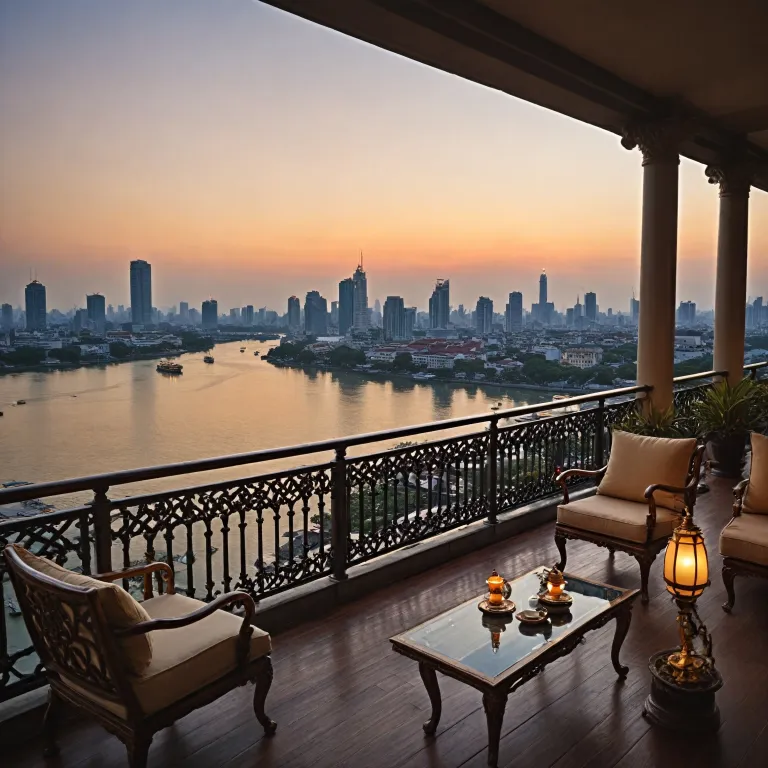
Choosing a good location to stay in Bangkok for your first visit
Finding a genuinely good location to stay in Bangkok starts with understanding the city’s layout. The Bangkok Metropolitan Administration oversees how the city grows, so major transport lines, commercial hubs, and residential pockets form clear patterns that shape where it feels best to stay. For many travelers, the first decision is whether to stay near the river, along a major road such as Sukhumvit Road, or in a more historic area close to temples and traditional Thai houses.
For a first stay in Bangkok, many guests consider Sukhumvit the best area because it combines modern hotels, efficient air conditioning, and easy access to the BTS Skytrain. You will find that this long road stretches across the city, with each station revealing a slightly different character, from upscale malls near Siam to quieter residential streets further east. When you stay in Bangkok along Sukhumvit, you can book hotels that offer spacious rooms, rooftop pool decks, and quick connections to both Silom and the riverside.
The Tourism Authority of Thailand notes that “Sukhumvit is recommended for its central location, shopping, and nightlife,” which aligns with feedback from many premium hotel guests. In this part of the city, a five minute walk from a station can place you on a lively street filled with Thai street food, international restaurants, and refined cocktail bars. Travelers who prefer a calmer stay Bangkok experience may choose hotels on side streets off the main road, where rooms are quieter but still close to the action and the best hotels remain within easy reach.
Understanding Bangkok’s key districts and how they shape your stay
To choose a good location to stay in Bangkok, it helps to compare the main districts that attract premium travelers. Sukhumvit, Silom, Siam, the Old City, and the Bangkok riverside each offer a distinct rhythm, and your stay will feel very different depending on which area you select. In practice, many guests combine two stays in Bangkok, beginning in a central hotel near Siam or Sukhumvit Road, then moving to a quieter riverside hotel Bangkok property for the final nights.
Siam is the city’s retail heart, where you will find major malls, cinemas, and some of the best hotels for shoppers who want everything within a short minute walk. Rooms here tend to be contemporary, with strong air conditioning, generous desks, and quick access to both BTS lines that cross the city. This area also suits families who value indoor attractions, easy food court options, and reliable transport more than a pool with a river view.
Silom, by contrast, blends business towers with leafy streets and access to Lumpini Park, making it a refined place to stay Bangkok guests who enjoy both work and leisure. From Silom Road you can reach the Chao Phraya and the historic Oriental Bangkok district in a short ride, then return to a calm hotel with a rooftop pool and polished Thai service. For readers interested in how superior rooms balance comfort and style, this guide to superior rooms that blend comfort and style offers useful benchmarks when evaluating hotels Bangkok options.
Riverside elegance versus urban energy around Sukhumvit and Silom
Many luxury travelers weighing a good location to stay in Bangkok compare the Bangkok riverside with the urban corridors of Sukhumvit and Silom. Along the Chao Phraya and Phraya River, landmark properties such as Mandarin Oriental and other historic house conversions offer a sense of place that feels uniquely tied to the city’s trading past. These hotels Bangkok choices often feature suites with panoramic river views, serene pool courtyards, and refined Thai food served in dining rooms that open directly onto the water.
Staying riverside means your stay Bangkok experience revolves around boat piers, heritage temples, and quieter streets that contrast with the intensity of Sukhumvit Road. You will find that a short boat ride connects you to the Old City, while a taxi or rail link returns you to Siam or Silom when you want shopping or nightlife. For many guests, the best hotels here balance resort style pools, efficient air conditioning in every room, and concierge teams who can book private cruises along the Chao Phraya.
By comparison, Bangkok Sukhumvit and Silom Road feel more vertical and energetic, with high rise hotels, rooftop pools, and a dense network of street food stalls. A five to ten minute walk from most stations reveals side street hotels where rooms are quieter but still close to the city’s pulse. Choosing between these areas depends on whether you prefer to wake to river breezes and temple bells, or to the urban soundtrack of a city that rarely sleeps.
Old City, Khao San, and Siam: heritage, backpacker energy, and retail comfort
Another way to frame a good location to stay in Bangkok is to think in terms of heritage, backpacker energy, and retail comfort. The Old City, also known as Rattanakosin, concentrates royal palaces, major temples, and traditional Thai architecture along the river, making it ideal for travelers who want to walk between cultural landmarks. Here, some hotels occupy restored house style buildings, offering characterful rooms that may be smaller but place you within a short minute walk of key sights.
Nearby, Khao San Road and the surrounding streets, including San Road and properties such as Casa Nithra, cater to a younger crowd, yet premium options are emerging. You will find hotels Bangkok choices here that offer modern air conditioning, compact pools, and upgraded rooms while still keeping you close to the area’s famous street food and nightlife. For some travelers, a stay Bangkok experience that begins near Khao San and then moves to a quieter riverside or Sukhumvit hotel offers the best of both worlds.
Siam, meanwhile, suits guests who value convenience and climate controlled comfort above all. Hotels in this area often connect directly to malls, so you can book a room that keeps you within a sheltered network of walkways, food courts, and cinemas. This part of the city may not have the romance of the Chao Phraya, but it delivers reliable comfort, easy transport, and some of the best hotels for families and short business stays.
Evaluating rooms, facilities, and service for a premium stay
Once you have chosen an area, the next step in securing a good location to stay in Bangkok is evaluating the details of each hotel. For luxury and premium stays, room size, layout, and soundproofing matter as much as the address, especially in a city where traffic and street food stalls can stay active late into the night. You will find that the best hotels clearly list room dimensions in square metres, specify air conditioning systems, and highlight whether windows face a busy street, a pool, or the river.
Facilities also shape how your stay Bangkok experience feels from morning to night. A well designed pool, ideally with some shade, can transform a hot afternoon into a restorative break between temple visits and shopping in Siam or along Sukhumvit Road. Many hotels Bangkok properties now integrate wellness floors with gyms, spas, and quiet lounges, while riverside icons such as Mandarin Oriental continue to set benchmarks for Thai hospitality and personalized service.
Service quality is another decisive factor, especially when you book through a luxury focused platform that curates only the best hotels. Look for teams who can arrange transfers across the city, secure restaurant reservations for both fine Thai food and casual street food, and advise on safe places to stay in each district. For a refined urban base near Silom and Sathorn, this guide to refined urban stays in central Bangkok illustrates how thoughtful service and location combine to elevate a hotel Bangkok experience.
Practical tips for booking the best hotels in Bangkok’s top areas
To secure the best hotels in a good location to stay in Bangkok, timing and research are essential. With annual tourist arrivals exceeding twenty million and an average hotel occupancy rate above seventy percent, premium rooms in the most popular areas can sell out quickly. You will find that booking early is especially important for riverside properties along the Chao Phraya and Phraya River, as well as for high demand hotels near Siam and central Bangkok Sukhumvit stations.
When comparing hotels Bangkok options, map the exact street and check how long it takes to reach the nearest BTS or MRT station on foot. A five to ten minute walk is usually comfortable, but in the hottest months, being closer can significantly improve your stay Bangkok experience. Pay attention to whether the hotel sits on a main road, a quieter side street, or near a house filled lane, as this affects both noise levels and the character of the surrounding food scene.
Finally, consider how you like to eat and move through the city. Travelers who love Thai street food may prefer areas such as Silom Road, parts of Sukhumvit, or the lanes near Khao San Road, where you will find stalls operating late into the night. Those who prioritize calm may choose a hotel Bangkok property with a generous pool, strong air conditioning, and easy access to the river, then use boats and trains to explore the wider city while returning each evening to a peaceful room.
Key statistics about Bangkok travel and hotel stays
- Annual tourist arrivals in Bangkok: 22.7 million visitors.
- Average hotel occupancy rate in the city: 75.3 percent.
Essential questions about choosing where to stay in Bangkok
What is the best area to stay in Bangkok for first-time visitors?
Sukhumvit is recommended for its central location, shopping, and nightlife. This area offers excellent transport connections, a wide range of hotels, and easy access to both modern malls and traditional Thai street food. For many first time guests, it balances convenience, comfort, and an authentic sense of the city.
Which neighborhood in Bangkok is known for its historical sites?
The Old City, also called Rattanakosin, concentrates many of Bangkok’s most important historical landmarks. Here you will find the Grand Palace, major temples, and riverside districts that reflect the city’s origins. Staying nearby allows you to walk between key sights while still reaching other areas such as Siam and Silom by boat or taxi.
Is public transportation easily accessible in Bangkok?
Yes, Bangkok offers an extensive public transportation system that includes the BTS Skytrain and the MRT subway. These lines connect major areas such as Sukhumvit, Silom, Siam, and parts of the riverside, making it easier to move across the city even during busy periods. When choosing a hotel, prioritize properties within a short walk of a station to enhance both comfort and efficiency during your stay.
Sources: Tourism Authority of Thailand ; Bangkok Metropolitan Administration ; www.tourismthailand.org