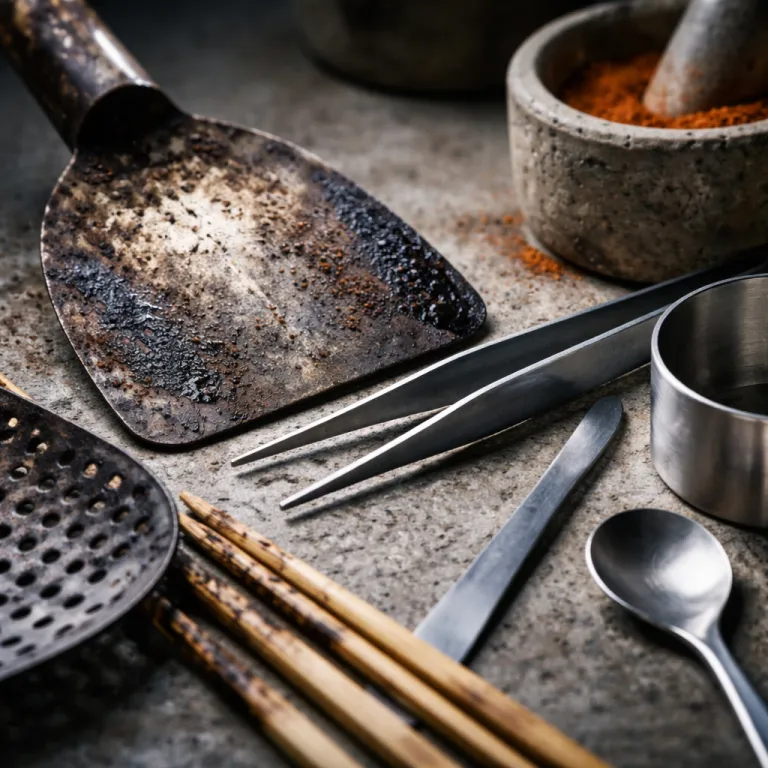
How luxury hotels frame Bangkok street food fine dining
Bangkok is one of the rare capitals where a two dollar bowl of noodles can rival a tasting menu in a palace like setting. In luxury hotels along the Chao Phraya, concierges now speak as fluently about a smoky pan of pad thai on a busy Bangkok street as they do about the best French restaurants in Sathorn. This tension between humble street food and refined Thai cuisine is exactly what makes eating in Bangkok so compelling for premium travelers, and hotel teams have learned to choreograph both worlds in a single stay.
For guests booking a riverfront suite, the question is no longer whether to eat street food, but how to fold it into a curated itinerary that still feels indulgent. Hotel staff know that culinary experiences rank just behind comfort and location, so they design stays where a plate of stir fried morning glory from a tiny restaurant stall sits comfortably beside a course of lobster tom yum in a Michelin dining room. One concierge at a five star property near Saphan Taksin puts it simply: “We plan your day so you can eat like a local at noon and like a chef’s favourite guest at night.” In practice, that means your reservation confirmation often arrives with a suggested map of nearby Thai street vendors, late night restaurants in Bangkok, and one carefully chosen fine dining restaurant for each day.
Bangkok’s leading properties work closely with both street food vendors and Michelin starred chefs, treating them as equal partners in a broader food ecosystem. They know that many guests are nervous about hygiene, so they quietly steer them toward busy places where the wok flames never stop and the turnover of rice and noodles stays reassuringly high. As Thailand’s Ministry of Public Health notes in its food safety advice, choosing stalls with constant queues and food cooked to order is one of the simplest ways to eat safely, and hotel curated lists tend to prioritise vendors that follow these basic principles.
From riverside legends to wang lang ferries: hotel gateways to the streets
On the river’s east bank, grande dame hotels act as refined gateways to the chaos of nearby markets and ferry piers. A butler at Mandarin Oriental Bangkok on Charoen Krung Road might arrange a private long tail boat to Wang Lang pier, then mark three favourite khao gaeng counters on your map where trays of fragrant curry and gaeng hang lay wait beside steaming pots of khao tom. Back at the hotel, the same concierge can book a table at a riverside restaurant where roast duck arrives carved with ceremony, yet the flavours still echo the street food you tasted earlier that afternoon.
Across the water, Wang Lang market itself is a masterclass in Bangkok street food for the curious solo traveler. Within a few hundred metres, you can move from a stall ladling kuay teow boat noodles in inky broth to a tiny restaurant serving delicate som tam with slivers of salted egg, then on to a vendor specialising in stir fried kuay jab with crisp pork. Hotels nearby understand that these Thai dishes can feel overwhelming at first, so many now offer laminated cards explaining key words like khao, gaeng, and tom yum, which you can discreetly show at any restaurant or stall to bridge the language gap.
Some luxury properties go further, pairing spa rituals with guided food walks so that a morning of massages and hydrotherapy flows into an afternoon of tasting khao gaeng and pad thai at trusted places. If you are planning a wellness focused stay, it is worth reading a detailed guide to refined hotel bathing and spa experiences in Bangkok before choosing your base. The most thoughtful hotels now see food Bangkok wide as part of a holistic stay, where a bowl of boat noodles at Wang Lang can be as restorative as an hour in a marble hammam, especially when it is framed as part of a slow, sensory itinerary rather than a rushed checklist.
Michelin at noon: when street flavours enter the dining room
By midday, the city’s focus shifts from pavements to polished dining rooms, yet the flavours remain firmly rooted in Thai street traditions. Bangkok now counts dozens of Michelin recognised restaurants, including more than 30 starred venues in the 2024 guide according to the Michelin Guide Thailand, many of which build menus around elevated versions of familiar dishes like pad thai, tom yum, and complex southern curry. For travelers using a luxury hotel booking website, this is where Bangkok street food fine dining becomes tangible, because you can filter stays by proximity to specific restaurants in Bangkok that you have been reading about for months.
Jay Fai, perhaps the city’s most famous street side restaurant, embodies this duality better than any other place. Her tiny restaurant on Maha Chai Road in the Old Town, known simply as Jay Fai, serves wok fried crab omelettes and drunken noodles that cost more than many hotel lunches, yet you still sit on plastic stools under a corrugated roof. Guests at nearby premium hotels often ask concierges to secure a seat at Jay Fai, then pair that experience with a contrasting lunch at a serene Michelin restaurant where the same ingredients appear as intricate tasting menu dishes, plated with tweezers instead of ladles.
For a structured overview of where to book, consult a specialist field guide to Bangkok’s Michelin starred restaurants before finalising your hotel. Many properties now offer guaranteed reservation assistance as part of premium room categories, which can be invaluable when trying to secure tables at the best restaurants Bangkok wide. When you align your hotel choice with your restaurant wish list, a day can flow seamlessly from a plate of kuay teow boat noodles at lunch to a refined course of roast duck with tamarind glaze at dinner, without long taxi rides cutting into your appetite.
Designing a 48 hour itinerary: midnight street, noon white tablecloth
Think of a two night stay in Bangkok as a tasting menu that moves between alleys and atriums. On the first evening, check into your hotel, drop your bags, then head straight to Yaowarat Road in Chinatown, where neon lights bounce off woks and the air smells of fried garlic and chilli. Here, the city’s blend of street food and fine dining means pacing yourself through noodles, rice dishes, and grilled seafood rather than chasing a single famous name or queuing for hours at one stall.
Start with a bowl of kuay jab, the peppery rolled rice noodles that many locals consider essential late night food, then share a plate of stir fried morning glory at a corner restaurant where the cook barely looks up from the flames. Follow with som tam from a cart that pounds green papaya to order, and finish with khao tom rice soup at a stall that stays open into the small hours, often until one or two in the morning. These places rarely publish formal opening hours, so your hotel concierge remains your best ally for knowing when a particular stall or restaurant is likely to be serving and how long the queues tend to be.
The next day, let your hotel arrange a leisurely lunch at a Michelin restaurant that reinterprets those same Thai dishes with linen and stemware. You might recognise the flavours of tom yum in a delicate broth poured at the table, or see khao gaeng curries translated into small plates that arrive in a precise sequence. After a rest by the pool or a visit to the spa, head back out to a different Bangkok street, perhaps near Lang Market on the Thonburi side, where you can graze on boat noodles and roast duck before returning to the calm of your suite and a final nightcap at the hotel bar.
Choosing the right luxury base for a food first stay
For travelers using a premium hotel booking website, the key is to choose a property that treats food as a central part of the stay rather than a side note. Look for hotels that highlight curated street food tours, in house Thai food tastings, and partnerships with both local restaurants and Michelin chefs. When a hotel proudly lists nearby khao gaeng stalls, kuay teow boat noodle shops, and classic pad thai restaurants alongside its own dining room, you know it understands Bangkok’s street food and fine dining culture at a deep level and is prepared to help you navigate it.
Location matters more than ever, because a few minutes on foot can separate a sterile business district from a neighbourhood where every second shopfront is a restaurant or stall. Riverside areas near Wang Lang, old town quarters around Jay Fai, and districts close to Lang Market all offer dense clusters of Thai street vendors, late night khao tom specialists, and casual restaurants Bangkok residents actually use. From these bases, you can walk out at almost any hour and find great food, whether you crave a quick plate of fried rice or a more elaborate spread of shared Thai dishes with friends.
As you compare properties, pay attention to how they talk about time as well as place. Some hotels explicitly mention that their recommended street food spots operate until midnight or later, while others focus on lunchtime curry and gaeng counters that suit a different rhythm. For a balanced stay, consider a hotel that combines strong culinary credentials with serious wellness facilities, then read a dedicated guide to Bangkok’s finest hotel spas to ensure your chosen base lets you alternate rich food with restorative downtime and wake up ready to explore the next restaurant lined street.
FAQ
Is Bangkok street food safe to eat for hotel guests?
Street food in Bangkok is generally safe, especially at busy stalls with constant queues. High turnover means ingredients like noodles, rice, and meat do not sit for long, which reduces risk. If in doubt, ask your hotel concierge to point you toward trusted vendors they personally use and to suggest dishes that are cooked to order rather than pre prepared.
Do I need reservations for Michelin restaurants in Bangkok?
Reservations are strongly recommended for Michelin starred restaurants in Bangkok, particularly for lunch and dinner on weekends. Many luxury hotels will handle bookings on your behalf when you reserve a room, which is useful for hard to access places such as Jay Fai or small tasting menu venues. Booking early also gives you better choice of seating times and tasting menus, and reduces the chance of being waitlisted.
How can I balance street food and fine dining in a short stay?
Use your hotel as a planning hub and alternate formats across the day. For example, enjoy street food breakfasts and late night snacks, then focus on refined Thai dishes and tasting menus at lunchtime when dining rooms are quieter. This rhythm lets you experience both sides of Bangkok’s food culture without feeling rushed, and keeps your energy levels steady in the city’s heat.
Which neighbourhoods are best for food focused luxury stays?
Riverside districts near Wang Lang, the old town around Jay Fai, and areas close to Lang Market all offer strong combinations of high end hotels and dense street food. From these bases, you can walk to boat noodles, khao gaeng stalls, and serious restaurants within minutes. When browsing a booking website, cross check hotel addresses with these neighbourhoods to maximise your eating options and minimise travel time between meals.
What should I try if I am new to Thai food?
Start with accessible classics such as pad thai, tom yum soup, and mild green curry, then branch into khao gaeng rice plates and boat noodles once you feel comfortable. Many hotels offer tasting menus or guided market visits that introduce these dishes in a structured way. This approach helps you understand flavours before you explore more intense options on your own, such as fiery southern curries or fermented fish based sauces.