Bangkok hotel wellness rituals beyond the spa brochure
Bangkok has quietly turned many of its luxury hotels into urban sanctuaries for the body and mind. The most memorable wellness experiences rarely sit on the first page of the spa menu, yet they shape how well you sleep, reset and recover between meetings. For business leisure travelers extending a stay in Bangkok, these discreet hotel wellness rituals can matter more than any rooftop bar or headline restaurant.
Across the city, wellness is no longer a single spa appointment but a curated rhythm that runs from dawn training to late night relaxation. Executives arrive wired from long haul flights, then leave with a renewed sense of vitality after a few days of Thai therapies, mindful movement and sleep focused amenities. When you explore the right properties in Bangkok, you start to discover how a hotel can quietly redesign your entire day around recovery and performance.
The main content of this guide focuses on what actually happens after hours, when the lobby empties and the city’s humidity softens. This is when onsen style thermal rituals at SILQ Hotel Bangkok, river breeze meditation at The Peninsula Bangkok or a Magnolia inspired treatment at Waldorf Astoria Bangkok feel almost private. These experiences are designed for guests who value discretion, expert guidance and a seamless flow between business obligations and personal restoration.
At SILQ Hotel Bangkok, the onsen and sauna experience in its Japanese influenced thermal area brings a heat and cold circuit into the heart of Sukhumvit. The sequence is carefully designed to move your body through cycles of warmth, cool immersion and stillness, supporting circulation and deep muscular recovery. Many guests treat it as a quiet training ground for the nervous system, a way to bring the body and mind back into balance after a day of negotiations.
Kimpton Maa Lai Bangkok takes a different path with Amaranth Spa, where organic ingredients and Thai botanicals shape signature therapies. Here, wellness is expressed through slow, attentive touch and curated scent, rather than flashy design or complicated technology. For frequent travelers, these understated rituals often feel more restorative than yet another high intensity workout or rushed massage between calls, especially when combined with simple in room stretching or breathwork.
From riverside stillness to skyline training: where wellness really happens
Along the Chao Phraya River, The Peninsula Bangkok turns its river frontage into a living wellness studio once the sun drops. The Peninsula Spa is known for its river view whirlpools, yet the most powerful experiences often happen on the quiet terraces where therapists guide breathing rituals that sync with the passing boats. In those moments, wellness becomes less about a treatment room and more about how well you inhabit the city’s rhythm.
Inside, Thai inspired therapies use natural essential oils and centuries of Thai massage knowledge to work along energy lines, easing jet lag and digital fatigue. A typical session might combine stretching, acupressure and warm herbal compresses, designed to coax the body into a state where sleep arrives easily. For executives, this kind of recovery is not indulgence but strategy, allowing sharper focus in the boardroom the next morning.
Across town at Sofitel Bangkok Sukhumvit, an entire floor is dedicated to a wellness retreat concept that blends spa, fitness and quiet social spaces. Here, Bangkok hotel wellness rituals might mean a twilight yoga class followed by a light, curated supper rather than a heavy late night room service order. Guests often speak of these experiences as a reset button, a way to explore a different relationship with the city that feels both urban and deeply restorative.
When you compare properties, look beyond the obvious spa branding and ask how the hotel integrates training, therapies and sleep support into the stay. Some of Bangkok’s finest hotels with spa services for ultimate relaxation and wellness, such as COMO Metropolitan Bangkok with its COMO Shambhala programs, focus on daily routines rather than one off treatments. This approach respects the connection between body and mind, acknowledging that vitality builds through repeated, well designed rituals rather than a single dramatic session.
Even in the city’s busiest districts, you can find pockets of calm where moments of wellness are woven into the architecture. A shaded courtyard for tai chi, a small studio for guided meditation, or a hydrotherapy pool tucked behind the gym can all become part of your personal rituals. The key is to ask the concierge or spa expert what happens after hours, when the schedule loosens and the most attentive experiences begin, and to confirm whether non resident guests can join.
Traditional Thai wisdom after dark: therapies that go deeper
Bangkok’s luxury hotels are increasingly turning to centuries of Thai healing traditions to shape their after hours offerings. At Banyan Tree Bangkok, the spa leans into holistic therapies that move beyond standard Swedish massage, using herbal compresses, stretching and energy line work to restore circulation. These sessions are often scheduled in the evening, when the body is more receptive to deep relaxation and slow, attentive touch.
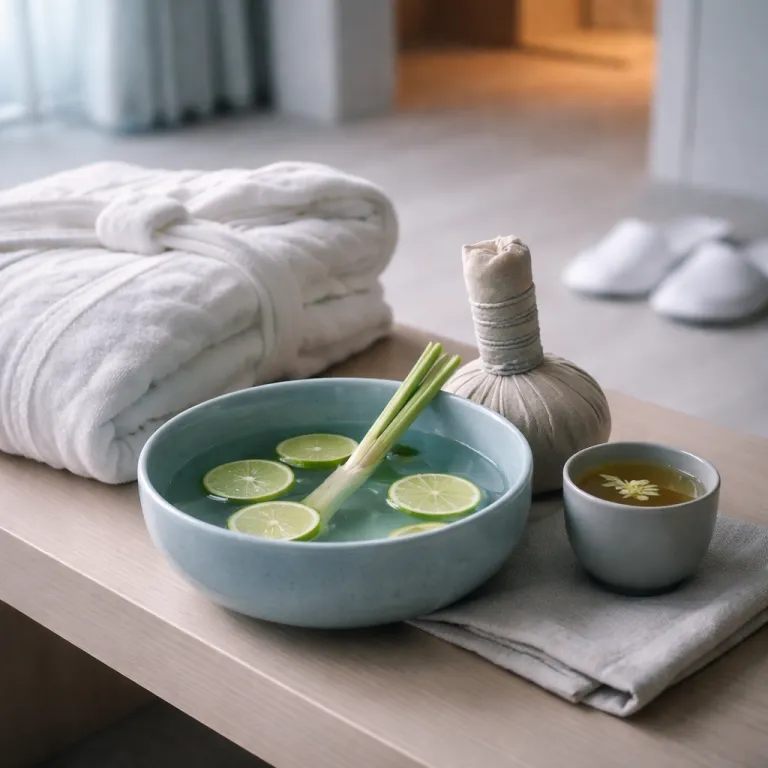
Rosewood Bangkok’s Sense, A Rosewood Spa, and Aman Nai Lert Bangkok’s multi level spa and wellness center both work closely with local wellness experts and experienced therapists. Here, curated treatments might include tok sen style tapping techniques, warm poultices filled with lemongrass and kaffir lime, or oil blends designed for specific recovery goals. Guests who explore these programs often speak of a shift from simple pampering to a more meaningful relationship with their own body.
These Bangkok hotel wellness rituals are not always advertised prominently, yet they are designed with precision for travelers who arrive with tight shoulders and overactive minds. A therapist may quietly suggest a sequence of therapies across several evenings, combining Thai massage, foot reflexology and guided stretching to support both body and mind. Over a short stay, this curated approach can feel like a mini retreat embedded within a busy work schedule.
For those wanting to explore beyond the city, several properties now coordinate day trips to eco focused retreats within two to three hours of Bangkok. Hua Hin and Kanchanaburi offer forested settings where training might mean guided hikes, river swims or simple barefoot walks on quiet beaches. These experiences complement urban spa rituals, giving the nervous system a different texture of silence and space.
To go deeper into retreats that extend beyond the classic spa menu, resources such as guides to Bangkok wellness retreats that go beyond the hotel spa menu can help you compare options. Many of these programs are designed for executives who need structured recovery rather than vague relaxation promises. When you align these external escapes with your in city hotel rituals, the result is a layered wellness journey that feels both strategic and deeply personal.
Sleep, scent and silence: the new frontier of hotel wellness
One of the most significant shifts in Bangkok hotel wellness rituals is the focus on sleep as a core pillar. Luxury properties now treat rest as a design challenge, engineering rooms with blackout curtains, sound insulation and climate control that support natural circadian rhythms. For a traveler used to late night emails and early calls, this attention to detail can be the most powerful therapy of all.
At Waldorf Astoria Bangkok, the spa inspired by the Magnolia flower extends its influence into the guest rooms through subtle aromatherapy and calming color palettes. Evening turndown might include a warm foot soak suggestion, a short breathing exercise card or a pillow spray designed to ease the transition from screen time to sleep. These rituals are curated to work quietly on the connection between body and mind, nudging you toward deeper, more efficient recovery.
COMO Metropolitan Bangkok’s COMO Shambhala wellness experiences take a similarly integrated approach, pairing spa sessions with nutrition guidance and movement training. Guests can schedule gentle yoga or stretching before bed, then follow with herbal infusions that support digestion and relaxation. Over several nights, this rhythm builds a sense of vitality that carries into daytime meetings and client dinners.
Industry reports suggest that a growing share of tourists now actively seek wellness experiences during their trips. In Bangkok, this demand has encouraged hotels to design signature sleep packages that combine therapies, room features and sometimes even wearable technology to track rest quality. For the executive traveler, these offerings turn a standard business stay into an opportunity for measurable recovery and performance gains.
When you plan your trip, ask how the hotel handles noise, light and late night arrivals, not just what spa treatments they sell. A property that understands wellness will think as carefully about your 2 a.m. check in as your 2 p.m. massage, ensuring the body can settle quickly. This is where Bangkok hotel wellness rituals move from marketing language to lived, tangible comfort.
How to book the right wellness focused stay in Bangkok
Choosing the right property in Bangkok starts with clarity about how you want to feel at the end of your stay. If your priority is muscular recovery and structured training, a hotel like SILQ with its onsen circuit or Sofitel Bangkok Sukhumvit with its dedicated wellness floor may suit you well. If you value riverside stillness and Thai inspired therapies, The Peninsula Bangkok or The Salil Hotel Riverside with its HARNN Heritage Spa Riverside might align better with your personal rituals.
For many business leisure travelers, the smartest strategy is to map wellness experiences across the entire stay rather than booking a single spa afternoon. Start with gentle therapies on arrival day, add movement focused sessions mid stay, then finish with sleep centric rituals before your flight. This curated arc respects how the body and mind adapt to time zones, climate and the intensity of Bangkok’s streets.
When comparing rates and inclusions, look for packages that integrate spa access, training sessions and flexible check out times. Some hotels quietly offer after hours access to thermal areas or private classes, which can be invaluable when your schedule is dominated by meetings. To align value with experience, resources on elevated hotel booking promotions and exclusive offers in Bangkok can help you match your budget to the level of wellness support you expect.
Practical steps matter as much as inspiration, especially in a city with around fifty luxury hotels competing for attention. Book treatments in advance, inquire about exclusive after hours services and explore various hotel offerings for unique experiences. As one industry explanation puts it clearly, “What are after-hours wellness rituals? Exclusive spa treatments offered during evening or nighttime hours.”
Behind these offerings sit local wellness experts, renowned spa brands and therapists who have refined their craft over many years. Their work is designed to help you arrive at your next destination not just rested, but recalibrated in both body and mind. When you treat Bangkok hotel wellness rituals as a central part of your travel planning rather than an optional extra, the entire trip begins to feel more intentional, more sustainable and quietly more luxurious.
FAQ about Bangkok hotel wellness rituals
Which luxury hotels in Bangkok offer after hours wellness rituals ?
Several leading properties in Bangkok offer after hours wellness rituals, including SILQ Hotel Bangkok with its Japanese style onsen, Kimpton Maa Lai Bangkok with Amaranth Spa and Sofitel Bangkok Sukhumvit with its wellness retreat floor. The Peninsula Bangkok, Waldorf Astoria Bangkok, Aman Nai Lert Bangkok, Rosewood Bangkok, The Salil Hotel Riverside and Banyan Tree Bangkok also provide evening or nighttime spa experiences. Availability and timing vary, so it is essential to contact each spa directly before booking.
What types of treatments are usually available after hours ?
After hours programs in Bangkok typically include Thai massage, aromatherapy, herbal compress therapies and access to onsen or sauna circuits. Some hotels add guided meditation, gentle stretching or private yoga to support deeper relaxation before sleep. These sessions are designed to be quieter and more personalized than daytime appointments, helping guests unwind after business or travel.
Can non guests book spa and wellness experiences at these hotels ?
Many luxury hotels in Bangkok open their spa and wellness facilities to non resident guests, especially for evening treatments. Policies differ by property, and some may prioritize in house guests during busy periods. To avoid disappointment, it is wise to reserve in advance and confirm access to thermal areas, pools or relaxation lounges.
How far in advance should I book after hours wellness rituals ?
For popular properties and peak travel periods, booking after hours wellness rituals several days in advance is recommended. Evening slots around 19:00 to 21:00 often fill first, particularly for signature therapies and couples’ sessions. If your schedule is tight, contact the spa as soon as you confirm your hotel reservation to secure preferred times.
Are after hours wellness experiences suitable for business travelers with limited time ?
After hours wellness experiences are particularly well suited to business travelers who spend daytime hours in meetings. Short but focused sessions, such as a sixty minute Thai massage or a compact onsen circuit, can deliver meaningful recovery without disrupting work commitments. Many hotels will tailor timing and intensity to your needs, ensuring you return to your room ready for restorative sleep rather than overstimulated.