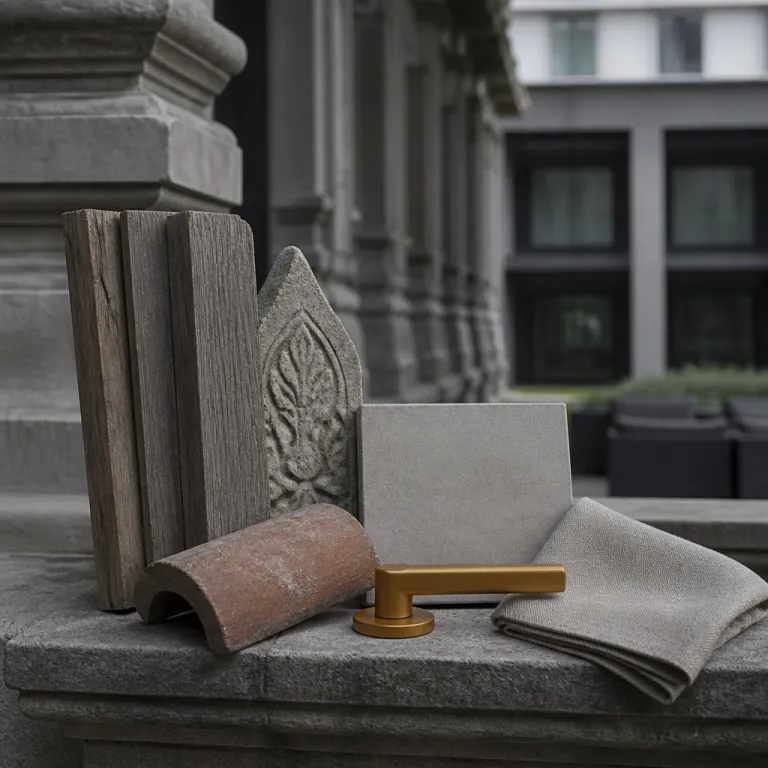
A curated bangkok temples architecture design guide for temple districts
Bangkok rewards travellers who slow down and read its architecture as carefully as its menus. This Bangkok temples and architecture design guide begins on Rattanakosin Island, the historic city core where royal power, Buddhist devotion, and traditional Thai craftsmanship still shape the skyline. With more than 400 temples across the wider city, according to figures often cited by the Tourism Authority of Thailand, you need a route that filters the noise and focuses on meaningful architectural stories that families can actually follow on foot.
Start at the Grand Palace complex (Na Phra Lan Road, Phra Nakhon), entering through the outer court where ceremonial buildings and administrative halls frame your first encounter with Thai architecture at scale. The complex is usually open daily from 08:30 to 15:30, with combined tickets for the Grand Palace and Wat Phra Kaew sold at the main gate; allow at least two hours for a relaxed visit and expect security checks at the entrance. Here, the Chakri Maha Prasat throne hall fuses Thai temple silhouettes with an almost European sense of symmetry, its steep roofs stacked above a masonry base that once nodded to late nineteenth century tastes.
Within the same compound, Wat Phra Si Rattana Satsadaram, often shortened to Wat Phra Kaew, offers a concentrated lesson in temple architecture and royal symbolism. The Emerald Buddha sits high above eye level in the main hall, surrounded by mother of pearl inlay, lacquered panels, and gilded columns that narrate Buddhist cosmology in shimmering detail. Families should pause outside to trace the roof lines with children, pointing out how the chofah finials and layered structures echo the mountains of mythical realms described in Buddhist temples across Southeast Asia and in official Tourism Authority of Thailand temple guides; one parent described it as “reading a storybook in tiles and gold.”
Reading thai temple architecture at Wat Pho and beyond
From the Grand Palace, walk or take a short tuk tuk ride to Wat Pho (Sanam Chai Road, a ten to fifteen minute walk, or one stop on the MRT Blue Line to Sanam Chai station), a temple complex that feels more like a self contained city than a single sacred site. Founded long before Bangkok became Thailand’s capital and expanded under King Rama I, it is recognised as a living repository of Thai heritage and traditional Thai healing, with a famous massage school on site. For design focused visitors, this is where the Bangkok temples architecture design guide shifts from royal spectacle to intimate craftsmanship and everyday ritual.
The Reclining Buddha hall is your first stop, a long, dimly lit structure where the 46 metre statue fills almost every cubic metre of space. Wat Pho is generally open daily from 08:00 to 18:30, with a modest entrance fee payable at the main gate; plan at least ninety minutes if you are visiting with children, and note that shoulders and knees must be covered. Look closely at the soles of the Buddha’s feet, where mother of pearl panels depict auspicious symbols that map out the universe according to Buddhist cosmology, and use the official site map or audio guide boards to help explain what you are seeing.
Step back into the courtyards and you notice how the steep roofs of the smaller chapels manage Bangkok’s heat and humidity while creating dramatic silhouettes against the sky. Here, the language of Thai architecture becomes legible; the layered roofs, high plinths, and ventilated halls are not only decorative but also responses to climate and ritual movement. For a deeper dive into how sacred spaces are evolving, look for local exhibitions and talks on when art meets the wat and how Bangkok’s temples are becoming gallery spaces, which explore contemporary installations within historic structures documented by the Bangkok Metropolitan Administration and local cultural organisations.
Where sacred design meets modern hospitality in Bangkok
For design minded families, the real luxury in Bangkok lies in staying close enough to walk between temples, river piers, and your hotel pool. Around Rattanakosin and the riverside, several premium properties echo temple architecture through materials, proportions, and quiet courtyards rather than literal motifs. This is where a Bangkok temples architecture design guide intersects with your booking decisions and helps you read how hotels borrow from the same design language as nearby wats while still meeting international comfort standards.
Look for hotels that orient their buildings toward the Chao Phraya River, using long, low structures and shaded verandas that recall a traditional Thai house more than a generic tower. Many of the best addresses borrow from Thai temple layouts, arranging rooms around a central hall or garden that functions almost like a cloister, with colonnades that frame views of nearby wats and palaces. These design choices are not nostalgic gestures; they manage heat and humidity naturally, reduce glare, and create a calm threshold between the intensity of the city and the privacy of your suite, much like the transition from temple courtyard to ordination hall.
Some newer developments collaborate directly with architects who understand both Thai architecture and international hospitality standards, drawing on research from Thai architectural associations and tourism bodies. Others take cues from high profile riverside projects that play with light, perforated façades, and layered roofs reminiscent of temple architecture in Thailand, without copying sacred ornament. When comparing options on stay in Bangkok style platforms, prioritise properties that reference local art and Buddhist temples in their public spaces rather than relying solely on imported design languages or anonymous glass towers.
Design details families should notice in Bangkok’s buddhist temples
Once you have chosen a well located luxury base, the next step in this Bangkok temples architecture design guide is learning how to read details that most visitors miss. Thai temple complexes are dense with visual information, yet a few recurring elements help children and adults alike decode the architecture. Turning these into a shared family game transforms long hot walks between halls into something far more engaging and memorable.
Begin with roofs, which are the most recognisable signatures of Thai temples across Bangkok and wider Thailand. Point out how the steep roofs shed monsoon rain quickly, while the overlapping tiers create deep shade that cools the halls beneath in the city’s relentless heat and humidity. The coloured tiles often signal status; royal temples such as Wat Phra Kaew and the Grand Palace compound use rich greens and golds, while smaller neighbourhood wats may favour simpler palettes that still catch the light beautifully and are documented in local cultural heritage surveys.
Next, focus on thresholds, where architecture and ritual meet in very tangible ways. Children enjoy counting the guardian figures flanking a temple hall entrance or tracing the carved wooden doors that often depict scenes from Buddhist cosmology and episodes from the life of the Buddha. Inside, encourage them to look up at the ceilings of throne halls and assembly buildings, where repeating patterns and mother of pearl accents create a sense of infinite space that contrasts with the more grounded feeling of the stone or tiled floors described in many official temple brochures.
From sacred routes to contemporary design: planning your architecture day
A well paced architecture day in Bangkok balances temple visits with modern design stops and generous breaks back at your hotel. Local operators now offer guided walking tours that link traditional Thai temples, contemporary galleries, and innovative hospitality spaces in a single narrative, often starting around Sanam Luang and looping back to the river. One such architectural tour outlines a simple rhythm: morning for classic wats, afternoon for modern buildings, evening for riverside lounges and hotel lobbies that reinterpret Thai architecture through lighting and materials.
Use maps or audio guides to navigate between key sites such as Wat Pho, the Grand Palace, and lesser known temples that still anchor their neighbourhoods like village squares. Along the way, you will notice how ordinary houses and shop houses borrow motifs from temple architecture, from the pitch of a roof to the rhythm of columns along a shaded arcade. This is architecture Thailand style in its most democratic form, where sacred and everyday structures share a common design language shaped by climate, ritual, and the slow evolution of the city recorded in Bangkok Metropolitan Administration planning documents.
As you plan, remember that Bangkok sits at the heart of Southeast Asia’s cultural crossroads, and its Buddhist temples reflect centuries of exchange with neighbouring regions. The Emerald Buddha, the Reclining Buddha at Wat Pho, and the layered spires of palace complexes such as Chakri Maha Prasat all tell stories of kings named Rama who used architecture to project both power and piety. Wear comfortable shoes, respect temple dress codes that cover shoulders and knees, check current opening hours before you set out, and schedule a long midday pause back at your hotel pool so that children associate temple architecture with pleasure rather than fatigue.
FAQ
What is the Glass Pavilion in Bangkok’s temple and design scene ?
The term Glass Pavilion is often used in Bangkok’s design discussions to describe minimalist meditation or exhibition spaces that use transparent walls and simple rooflines to echo Thai temple halls. These structures reinterpret the proportions of a traditional viharn without the usual ornament, creating a calm, contemporary setting for reflection. This makes them a useful reference point for families comparing sacred structures with modern hotel buildings during an architecture focused stay.
How many temples are there in Bangkok, and which are best for design lovers ?
Bangkok has around 400 registered temples, ranging from royal compounds to small neighbourhood wats, according to figures frequently cited by the Tourism Authority of Thailand and local cultural heritage departments. For architecture enthusiasts, the most instructive route links the Grand Palace, Wat Phra Kaew, and Wat Pho on Rattanakosin Island, then extends to riverside temples visible from hotel terraces. This combination reveals how palace halls, Buddhist temples, and surrounding city structures share a coherent design language.
Can families with children enjoy a bangkok temples architecture design guide without fatigue ?
Families can absolutely enjoy an architecture focused itinerary if they pace the day carefully and choose a centrally located luxury hotel. Short walking segments between temples, frequent breaks in shaded halls, and a long midday swim help children reset between cultural stops. Turning details such as mother of pearl inlay, steep roofs, and guardian statues into simple games keeps younger travellers engaged and makes the design language of Bangkok’s temples feel approachable.
How does modern hospitality in Bangkok reflect traditional Thai architecture ?
Many premium hotels near temple districts borrow from Thai architecture through courtyards, verandas, and layered roofs that manage heat and humidity naturally. Instead of copying temple ornament, they translate principles such as cross ventilation, shaded circulation, and framed views into contemporary materials like glass, timber, and stone. This creates a subtle dialogue between Buddhist temples, palace buildings, and the private spaces where guests sleep.
What tools or services help visitors understand Bangkok’s temple architecture better ?
Guided walking tours led by architecture focused guides offer structured explanations of temple layouts, palace halls, and surrounding city fabric. Self guided visitors can use detailed maps and audio guides that highlight key features such as roof structures, throne halls, and depictions of Buddhist cosmology. For deeper context, design organisations and local tour partners sometimes organise special routes that connect sacred sites with innovative hospitality spaces and contemporary art venues, often drawing on information from the Tourism Authority of Thailand and the Bangkok Metropolitan Administration.
References
Tourism Authority of Thailand; Bangkok Metropolitan Administration cultural heritage department; World Tourism Organization; official visitor information from the Grand Palace and Wat Pho.