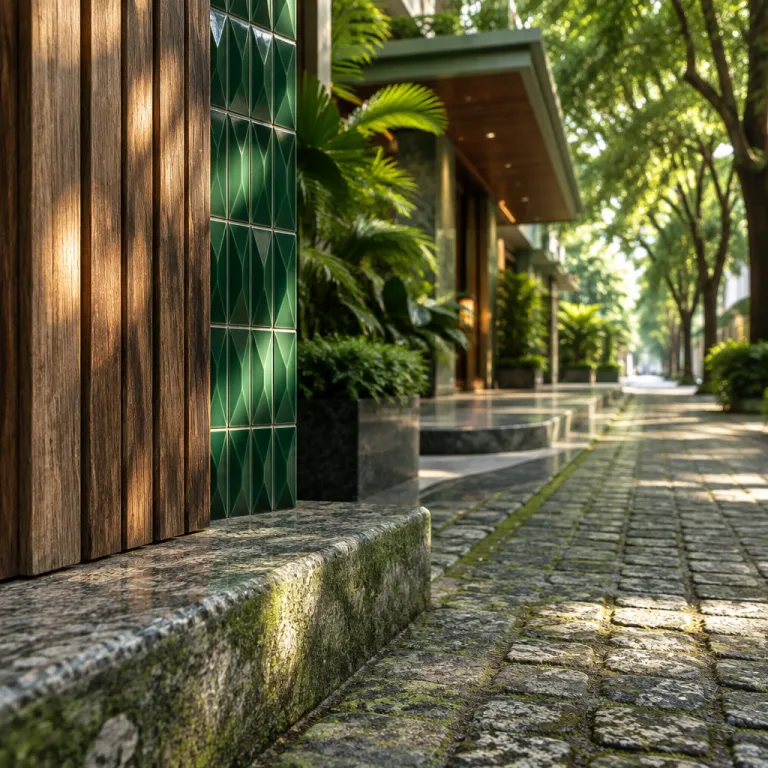
Why charoen krung bang rak bangkok hotels matter for riverside stays
Charoen Krung Road in Bang Rak is where Bangkok slows down just enough for you to walk, look up, and feel the river’s pull. Along this historic road, charoen krung bang rak bangkok hotels form a rare corridor of luxury properties, creative spaces, and restored heritage buildings that actually reward a slow, riverside stay. For travellers comparing Bangkok hotels across the city, this stretch offers a coherent story of heritage, design, and water level views that you simply do not get near Sukhumvit or the inner city hotels.
Charoen Krung is Bangkok, Thailand’s oldest paved road, running parallel to the Chao Phraya and threading together grand addresses like Mandarin Oriental Bangkok, Shangri-La Bangkok, and Royal Orchid Sheraton Hotel and Towers. These hotels in Bangkok sit within Bang Rak district, a compact area where you can walk between a heritage hotel, a riverside café, and a contemporary gallery without ever needing a taxi. For a solo explorer choosing a hotel Bangkok riverside side, the ability to step out of the lobby and immediately join a living streetscape is a decisive advantage over more isolated city hotels near an airport or ring road.
When you book along this corridor, you are not just choosing between individual hotels Bangkok options; you are buying into a connected neighbourhood experience. The charoen krung bang rak bangkok hotels cluster lets you move on foot from one riverside terrace to the next, crossing small soi lanes that still hold family shophouses and shrines. In a city famous for traffic, this walkable sequence from Charoen Krung’s riverfront to inner Bang Rak is what turns a standard stay into a layered, riverside retreat.
A step by step walking route from mandarin oriental to custom house
Start your walk at Mandarin Oriental Bangkok, the grande dame that anchors the most storied section of charoen krung bang rak bangkok hotels. From the hotel’s riverside entrance, turn onto Charoen Krung Road and head north, keeping the river on your left and letting the rhythm of each soi dictate your pace. Within a few hundred metres you pass smaller heritage hotel conversions and low rise shophouses, many now housing cafés and galleries that make this corridor feel more like a European river city than the usual Bangkok sprawl.
Continue along the road until you reach the creative cluster around Warehouse 30, an adaptive reuse complex in former military warehouses that now hosts design shops, cafés, and exhibition spaces. This is where the gallery bar café ecosystem becomes obvious, and where guests from nearby Bang Rak riverside hotels often mingle with local creatives over coffee or a late afternoon drink. If you are staying at a hotel Bangkok riverside property like Shangri-La Bangkok or Royal Orchid Sheraton, this mid walk stop offers a different view of Bangkok, Thailand, one that balances river trade heritage with contemporary design.
From Warehouse 30, keep following Charoen Krung Road towards the old Custom House, a landmark building in Bang Rak that is being transformed into a future centre of hospitality and culture. This section of the road is especially atmospheric in the late afternoon, when light hits the oriental heritage façades and side streets leading to the river. By the time you reach the Custom House area, after roughly two kilometres and 20 to 30 minutes of relaxed walking, you will have traced a coherent narrative of hotels along Charoen Krung, from the Mandarin Oriental’s polished service to the emerging luxury projects that promise to extend this walkable corridor even further.
For travellers planning a wider Thailand itinerary, this riverside walk pairs elegantly with a coastal escape; see our guide to the best beachfront hotels in Phuket for luxury escapes if you are combining Bangkok with the Andaman coast.
Heritage shophouses, adaptive reuse and the new riverside aesthetic
The real magic of Bang Rak riverside hotels lies between the big names, in the heritage shophouses that line the road and its side streets. Many of these narrow, deep buildings once housed traders linked to the nearby port and Custom House, and their oriental heritage façades still carry stucco flourishes and timber shutters. Today, a growing number are being reimagined as cafés, small galleries, and intimate heritage hotel projects that complement the larger hotels Bangkok has built along the river.
This adaptive reuse wave has turned Bang Rak into a living case study in how Bangkok, Thailand can honour its past while embracing contemporary hospitality. The Warehouse 30 complex and the nearby Bangkok Kunsthalle style exhibition space, set in a repurposed printing house, show how industrial shells can become cultural anchors for both residents and guests of charoen krung bang rak bangkok hotels. If you are curious about how design forward properties across the city are reworking old structures, our in depth feature on Bangkok’s design hotels and adaptive reuse offers a broader perspective beyond Bang Rak.
Along this corridor, you will also notice how pools Bangkok side are increasingly framed by brick walls and old beams rather than anonymous glass towers. Properties like Royal Orchid Sheraton and Shangri-La Bangkok use their riverfront plots to stage layered views that take in barges, temples, and the evolving skyline of hotel Bangkok developments upriver. For travellers comparing Bangkok hotels, this blend of heritage, water, and contemporary comfort is what sets riverside Bang Rak apart from more generic city hotels near Sukhumvit or the main business centre.
For a deeper dive into riverside properties specifically, our curated overview of Bangkok riverside luxury hotels maps how each major hotel along the Chao Phraya positions its stay experience.
River crossings, ferries and detours that enrich your stay
One of the quiet luxuries of staying in charoen krung bang rak bangkok hotels is how easily you can step from marble lobby to working river. Several piers along Charoen Krung Road connect directly to cross river ferries, allowing you to hop over to the Thonburi side for a different view of Bangkok without ever touching a main road. From the piers near Saphan Taksin and Si Phraya, close to Shangri-La Bangkok or Royal Orchid Sheraton, you can cross to small jetties that lead into residential sois, local markets, and lesser known temples.
For a mid walk detour, consider crossing near the section of the road that aligns with Wat Suan temple on the opposite bank, where the atmosphere shifts from commercial Bang Rak to quieter neighbourhoods. This is where solo travellers staying in riverside Bang Rak hotels often find their most memorable meals, at stalls and family run eateries that never appear on glossy lists. A simple bowl of boat noodles at a pier side counter, eaten while long tail boats pass by, can become the moment you remember most from the trip.
These crossings also help you understand how Bangkok hotels relate to the wider city, not just to the riverfront postcard. From the water, you see how pools Bangkok properties carve out calm above the current, and how each heritage hotel or modern tower negotiates its frontage with piers, gardens, and terraces. For guests comparing charoen krung bang rak bangkok hotels with options near Sukhumvit or the main business centre, this easy access to ferries and river taxis is a strong argument for choosing Bang Rak as your base.
Practical tips for choosing and booking along the corridor
When you compare charoen krung bang rak bangkok hotels, start by deciding how close you want to be to the river versus the inner Bang Rak streets. Mandarin Oriental Bangkok and Shangri-La Bangkok sit almost on the water, with direct pier access and wide angle views, while Royal Orchid Sheraton positions you slightly upriver with a different perspective on the city. All three hotels in Bangkok offer pools Bangkok side, multiple restaurants, and easy access to Charoen Krung Road, but each frames the neighbourhood walk in its own way.
Prices along this corridor tend to run higher than in many other parts of Bangkok, Thailand, reflecting both the heritage value of the land and the concentration of luxury properties. That said, rates fluctuate with season and occupancy, and demand in Bang Rak’s top tier hotels remains strong thanks to international visitors and returning regulars. To get the best value, book flexible rates directly with your chosen hotel Bangkok property, then watch for added value offers such as river cruise credits, spa time, or late checkout that enhance your stay without necessarily lowering headline prices.
Transport logistics are straightforward, whether you arrive via Suvarnabhumi Airport or Don Mueang Airport, with taxis and private transfers taking around 30 to 60 minutes depending on traffic. Once you are checked into any of the charoen krung bang rak bangkok hotels, you can largely forget about the car and move between river, road, and soi on foot or by boat. For many solo travellers, that ability to step out of a polished lobby and immediately join a walkable, culturally dense corridor is the single most persuasive reason to choose Bang Rak over more dispersed hotel clusters elsewhere in the city.
How this corridor compares to other bangkok hotel districts
Bangkok’s hotel geography can feel fragmented, with Sukhumvit, Sathorn, and riverside zones each offering different strengths. What sets charoen krung bang rak bangkok hotels apart is the rare combination of walkability, heritage density, and direct river access within a compact area. In Sukhumvit, you gain nightlife and shopping but lose the coherent riverside narrative that Bang Rak’s main road and its side sois provide.
Compared with more business focused city hotels near the main commercial centre, Bang Rak’s corridor offers a softer, more layered urban experience. Here, a heritage hotel might share a block with a contemporary gallery, a family run noodle shop, and a minimalist café, all within a few minutes’ walk of the river. For solo explorers, that mix translates into days that can move from temple visits to design browsing to a quiet drink at a hotel Bangkok bar without ever needing to negotiate expressways or long taxi rides.
For travellers who prioritise efficient airport access above all else, areas closer to the expressways leading to Suvarnabhumi Airport or Don Mueang Airport may still make sense. Yet even then, many choose to spend at least part of their stay in riverside Bang Rak hotels to experience this uniquely walkable slice of the city. Local tourism reports and hotel association data consistently highlight Bang Rak as one of the most in demand riverside districts, a reflection of just how magnetic this corridor has become for discerning guests.
FAQ
What is the best time of year to walk the charoen krung to bang rak corridor ?
The most comfortable period for exploring charoen krung bang rak bangkok hotels on foot runs from November to February, when temperatures and humidity are lower. During these months, late afternoons and early evenings are ideal for walking Charoen Krung Road and its sois. You will still want light clothing and water, but the heat is far more manageable than in the hot season.
Are there guided walking tours of bang rak’s riverside hotels and heritage streets ?
Several specialist operators offer guided walks that connect major riverside Bang Rak hotels with nearby temples, markets, and creative spaces. These tours often start near a landmark hotel Bangkok property such as Mandarin Oriental or Shangri-La and then weave through side streets and river piers. If you prefer independence, the corridor is easy to navigate solo with a simple map and a willingness to explore each soi.
Is the charoen krung and bang rak area suitable for families staying in riverside hotels ?
Bang Rak works well for families, especially those choosing larger Bangkok hotels with pools Bangkok side and river views. The pavements along key sections of Charoen Krung Road are more walkable than many other parts of the city, and ferries add a sense of adventure for children. Parents should still be cautious near traffic and piers, but the overall environment around charoen krung bang rak bangkok hotels is welcoming and varied.
How long does it take to walk from mandarin oriental to the custom house area ?
The direct walk from Mandarin Oriental Bangkok to the Custom House stretch of Charoen Krung Road typically takes 20 to 30 minutes at a relaxed pace. Most travellers extend this to an hour or more by stopping at cafés, galleries, and river viewpoints along the way. This flexibility is part of the appeal of charoen krung bang rak bangkok hotels, where the journey between properties is as rewarding as the stays themselves.
Which airports best serve travellers staying in bang rak’s riverside hotels ?
Suvarnabhumi Airport is the main international gateway for guests heading to charoen krung bang rak bangkok hotels, with taxis and private cars usually taking under an hour outside peak traffic. Don Mueang Airport, which handles many regional and low cost flights, also connects easily by road, though travel times can be slightly longer. In both cases, arranging a transfer through your chosen hotel Bangkok property ensures a smoother arrival and direct drop off at the riverside lobby.
Sources
Tourism Authority of Thailand; Time Out Bangkok; Bangkok hotel association briefings; on the ground walking observations.