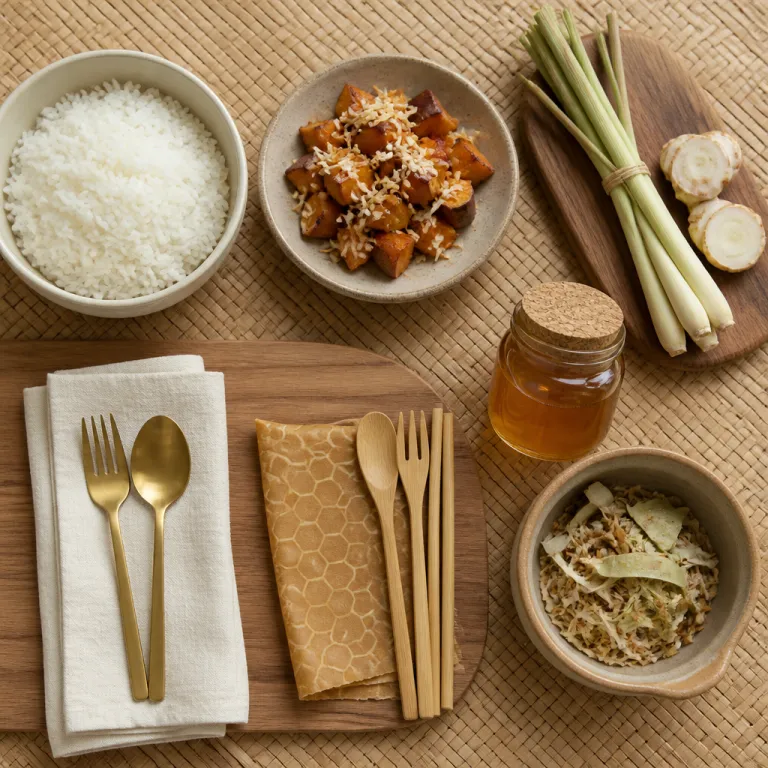
Bangkok sustainable dining hotels summer: where luxury meets environmental stewardship
Bangkok in the humid summer feels like a city running on spice and river breezes. For solo travelers choosing a luxury hotel, the real question now is how the property treats its kitchens as seriously as its rooftop bar or private pool. The most interesting sustainable dining hotels in Bangkok during summer are those where environmental responsibility is not a marketing line but a daily operating principle.
Across the country, a new generation of chefs is creating menus designed around fresh organic produce, regional rice varieties and line caught seafood rather than imported status ingredients. Industry groups such as the Bangkok Hospitality Association have highlighted in member briefings that a growing share of hotels in the city have adopted some form of farm to table dining, and many of these luxury properties now treat environmental stewardship as a core part of their brand. For travelers who care about sustainability in travel, that shift turns every meal into an experience that reflects the real Thailand rather than a generic international resort template.
At Four Seasons Hotel Bangkok, Chao Phraya Terrace has become a reference point for conversations about sustainable hotel dining in the city, with a charcoal grill focused on responsibly sourced Thai river fish and vegetables from partner farms. Sivatel Bangkok’s Cafe Jardin, inside a city center hotel with a strong sustainability programme, runs a low waste café that quietly outperforms many standalone restaurants. Haoma, a Michelin starred neo Indian restaurant with its own urban farm in central Bangkok, describes its cuisine as “neo Indian” and shows how a luxury property can host a bar, a fine dining room and a working garden on a tight footprint without compromising comfort.
Farm-to-table leaders: from riverside terraces to urban farms
The most compelling sustainable dining stories in Bangkok’s luxury hotels start with soil, not with silverware. Baan Tepa, set in a restored family home rather than a high rise hotel, works like a countryside resort transplanted into the city, with Chef Tam Debhakam building tasting menus around seasonal Thai ingredients and heritage recipes. A signature course might pair grilled river prawn with organic jasmine rice and fermented chilli relish, turning familiar flavours into something quietly precise. Earth House, meanwhile, brings farm to table Mediterranean cooking into Bangkok, operating from a low rise property and proving that a venue can be both international in flavour and rooted in local sustainable practices.
Hotels that take this seriously are not just adding a token salad; they are redesigning procurement systems to support nearby farms and reduce single use plastics in every part of the food and drink journey. Many of the most forward looking luxury properties now partner with local organic farms, culinary schools and sustainability organizations to secure a steady flow of fresh organic vegetables, herbs and fruit through the wettest months of summer. As one Bangkok based executive chef explains in an internal sustainability report, “When we shorten the supply chain, we protect local growers and give guests a clearer sense of where their dinner actually comes from.” This commitment to creating shorter supply chains aligns with Thailand’s broader value over volume tourism strategy, which rewards travelers who choose a hotel that invests in the country rather than just extracting from it, as explored in depth in this analysis of why Thailand’s value over volume tourism pivot favours luxury travellers.
For solo explorers, these hotels turn dinner into a guided tour of Thai terroir without leaving the city. At Chao Phraya Terrace, a server might walk you through the story of a single tomato, from a hydroponic system on the hotel roof to the plate in front of you, perhaps in a charred tomato salad with local burrata and basil oil. Haoma’s team will often lead guests past the urban farm beds before they sit, making the connection between environmental stewardship and luxury hospitality feel tangible rather than theoretical.
Zero-waste kitchens and the new language of luxury
Zero waste used to sound like a constraint; in Bangkok’s sustainable hotel kitchens it now reads as a creative brief. Haoma is one of the clearest examples, running a Michelin starred operation where composting facilities, on site farming and nose to tail cooking are as central as the wine list. Cafe Jardin at Sivatel Bangkok takes a similar stance, operating a sustainable café with a strict low food waste policy that has become a quiet benchmark for hotel dining in the city.
When hotels commit to sustainable practices at this level, the impact goes far beyond the kitchen pass. Data shared by participating members of the Bangkok Hospitality Association in sustainability workshops indicates that hotels engaged in structured waste reduction programmes can cut food waste by around a fifth, a shift that translates into fewer emissions, less strain on city infrastructure and a more honest definition of luxury. These properties are phasing out single use plastics in both guest areas and back of house, shifting to sustainable packaging for takeaway food and drink orders and integrating hydroponic systems to reduce transport emissions for herbs and leafy greens.
For travelers, this changes what a luxury hotel experience feels like in practice. Instead of a generic rooftop bar with imported spirits and strawberries flown in from another country, you might find a menu designed around Thai rum, local citrus and house made ferments that echo the city’s street food culture. It is a shift that aligns with Thailand’s push toward more responsible tourism and with new regulatory frameworks, including evolving discussions around travel insurance requirements, which are reshaping how high end visitors engage with the destination, as outlined in this guide to what Thailand’s mandatory travel insurance means for the future of luxury tourism.
Summer ingredients, solo tasting menus and how to book the right hotel
Summer in Bangkok brings sticky evenings, sudden storms and a flood of produce that defines the most interesting seasonal menus at sustainable luxury hotels. Expect green mango, young coconut, river prawns, morning glory and fragrant herbs to appear across tasting menus, often in dishes that reference both royal Thai cuisine and the food stalls lining the nearest soi. Hotels that take environmental stewardship seriously will highlight which ingredients are grown on site, which come from partner farms and how they minimise waste from peel to seed.
For solo travelers, this is a golden season to book tasting menus that would feel too heavy in cooler months. Many luxury hotel restaurants now design counter style experiences where a single diner can sit at the bar, talk directly with chefs and watch as they turn trimmings into stocks, oils and ferments in a visible expression of sustainable practices. The solo format also makes it easier for the team to tailor portions, reducing food waste while still creating a sense of indulgence that rivals any beach resort feast.
When choosing a property, look beyond the pool and the spa to how the hotel talks about sustainability in its dining programme. Check whether the restaurant holds or is pursuing certifications such as Green Globe or GSTC, and whether the hotel publishes clear information about its commitment to creating lower impact operations, from private pool water management to sourcing fresh organic ingredients. To understand how these elevated food and drink programmes sit alongside Bangkok’s street stalls and Michelin temples, read our guide to Bangkok’s dining duality between street food and Michelin tables before you book.
FAQ
Which Bangkok hotels offer farm-to-table dining ?
Hotels like Four Seasons Bangkok and Sivatel Bangkok offer farm-to-table dining. These properties work closely with local farmers and, in some cases, grow ingredients on site to ensure fresh organic produce on their menus. For travelers focused on sustainable hotel dining in Bangkok during summer, these names are reliable starting points.
What is zero-waste cooking in luxury hotels ?
Zero-waste cooking involves utilizing all parts of ingredients to minimize waste. In Bangkok’s luxury hotel kitchens, that can mean turning vegetable trimmings into stocks, fermenting surplus fruit for the bar and composting unavoidable scraps through on site facilities. The goal is to align high end dining with environmental stewardship without compromising flavour or presentation.
How do Bangkok hotels source ingredients locally ?
Hotels partner with local farmers and grow produce on-site. Many leading properties use hydroponic systems for herbs and greens, while others maintain rooftop gardens or collaborate with regional organic farms for seasonal vegetables and rice. This approach supports the country’s agricultural communities and reduces the environmental impact of long distance transport.
Are sustainable dining options suitable for family travelers ?
Yes, most sustainable dining programmes at Bangkok’s luxury hotels are designed to work for both solo guests and family groups. Children’s menus increasingly feature local vegetables, lighter sauces and reduced sugar desserts, while parents can enjoy tasting menus that showcase regional ingredients. Choosing a hotel with strong sustainable practices also offers a practical way to introduce younger travelers to environmental stewardship during their trip.
Do sustainable hotel restaurants still offer a full bar and luxury experience ?
Leading properties balance sustainability with a sense of indulgence by curating bars that highlight local spirits, seasonal fruit and house made infusions. Guests can still expect refined service, elegant design and, in some cases, rooftop views or private dining rooms. The difference is that every food and drink choice, from cocktails to snacks, is filtered through a commitment to creating lower impact experiences.