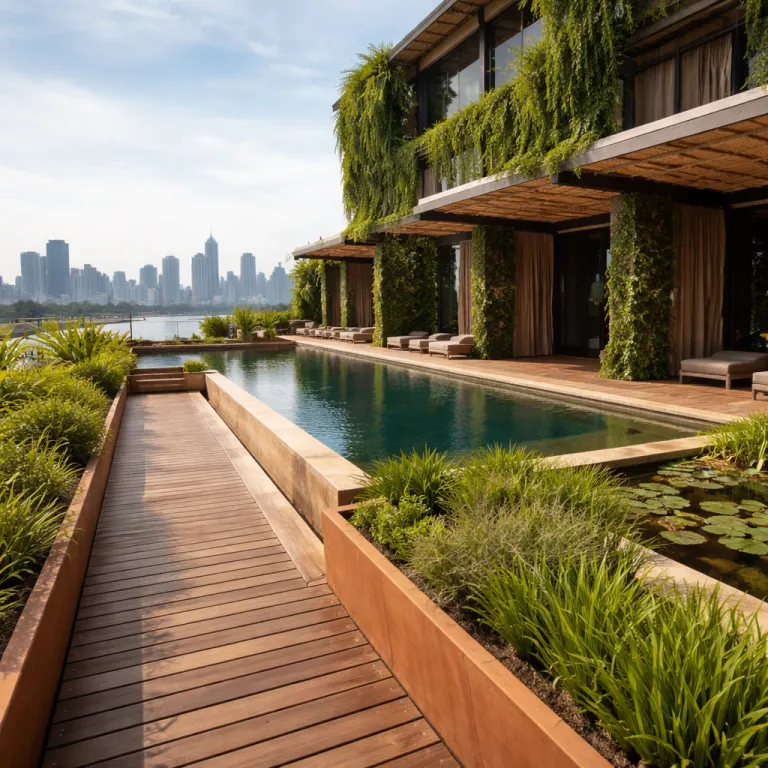
Bangkok’s quiet revolution in sustainable luxury
Bangkok’s most interesting luxury story right now is not another rooftop bar, but a quiet shift toward genuinely sustainable stays. The city’s leading hotels are treating sustainability as core infrastructure rather than a marketing flourish, aligning with Thailand’s quality over quantity tourism policy that links higher value visitors with lower environmental impact. For travelers searching for sustainable luxury hotels Bangkok now offers, this means you can book a five star hotel that feels both indulgent and eco conscious.
The Athenee Hotel, a Luxury Collection Hotel, Bangkok and Grand Hyatt Erawan Bangkok sit at the front of this movement, holding ISO 20121 certifications that hard wire responsible tourism into daily operations. The Athenee reports diverting more than 90 % of its waste from landfill and cutting energy use per guest night by double digit percentages since certification, while Grand Hyatt Erawan has documented reductions in water consumption and food waste through its annual sustainability reports. In its 2023 update, an Athenee sustainability manager notes that “waste diversion is tracked daily at loading bay level, with third party verification for hazardous streams,” underscoring that these are audited numbers rather than marketing claims. VIE Hotel Bangkok – MGallery Collection and Mövenpick BDMS Wellness Resort Bangkok follow with Green Globe and similar standards, proving that a central city resort can be both wellness focused and rigorously sustainable. These hotels in Thailand use energy efficient systems, structured waste reduction programmes and community initiatives that go far beyond the usual towel reuse cards.
Kimpton Maa Lai Bangkok and Sindhorn Kempinski Hotel Bangkok show how eco friendly design can reshape the guest experience without sacrificing luxury. At Kimpton, locally sourced materials, plastic free amenities and thoughtful food waste tracking sit alongside a serious cocktail programme and a pool that feels like a private resort spa in the middle of Lumphini. Sindhorn Kempinski was planned as an urban green lung, with shaded courtyards and an almost house like calm that contrasts sharply with nearby traffic, and its sustainability disclosures highlight high efficiency glazing, motion sensor lighting and a focus on indoor air quality as part of its environmental pillars. Together, they illustrate how a luxury hotel in Bangkok can feel like a private residence while still meeting demanding environmental benchmarks.
Along the river, Chatrium Hotel Riverside Bangkok uses its Green Hotel Plus certification to anchor concrete initiatives rather than vague promises. The hotel’s team works with local communities on waste management along the Chao Phraya, turning what used to be an unseen back of house issue into a visible part of responsible tourism in Bangkok. Chatrium’s latest environmental report notes that more than half of its waste is now recycled or composted and that energy intensity per occupied room has fallen steadily over the past few years, figures that are summarised in annual disclosures shared with the Bangkok Metropolitan Administration. Anantara Siam Bangkok Hotel, meanwhile, leans into eco conscious luxury through community partnerships, from locally sourced produce to cultural programmes that give solo travelers meaningful ways to engage with Thailand beyond the lobby.
Across the country, the same traveler who is comparing sustainable luxury hotels Bangkok offers is often also weighing a resort in Phuket, a tented camp in Chiang Rai or a beach house in Koh Samui. Properties such as Aleenta in Phang Nga or the Tongsai Bay resort on Koh Samui have long treated eco friendly operations as non negotiable, influencing how hotels Thailand wide now think about energy, water and waste. Publicly available sustainability reports from these coastal pioneers detail plastic free policies, reef safe amenities and long running staff training programmes that now serve as templates for newer properties. When you book a hotel in Bangkok today, you are tapping into a national shift that also touches Soneva Kiri on Koh Kood, Six Senses style retreats on Koh Yao Noi and even low impact escapes on Koh Yao or Koh Kood that pair tented camp experiences with serious conservation work.
From rooftop excess to responsible urban resort
The old Bangkok luxury playbook was simple ; stack a rooftop bar on a glass tower, add a resort style pool and call it a day. That model still exists, but the most interesting eco conscious hotels the city now champions are rethinking what an urban resort can be. They are asking how a city hotel can feel like a resort spa while staying genuinely eco friendly and socially grounded.
Mövenpick BDMS Wellness Resort Bangkok is a good example, turning a central plot into a low rise sanctuary with serious wellness credentials. The resort uses energy efficient cooling, extensive greenery and carefully managed water systems to reduce heat gain and waste, while its medical wellness focus taps into the broader trend for sustainable and wellness tourism. Guests move between treatment rooms, shaded gardens and restaurants serving locally sourced menus that make healthy eating feel like a natural extension of luxury rather than a compromise, and these practices are documented in the property’s wellness and environmental performance summaries.
At VIE Hotel Bangkok, sustainability is woven into the fabric of a modern design hotel that still feels unapologetically urban. The property’s initiatives include LED lighting, smart air conditioning controls and partnerships with local suppliers that reduce transport emissions and support small producers. For a solo explorer, this means you can book a room that feels stylish and central, then step out to the BTS within minutes while knowing your hotel is not treating eco conscious practice as an afterthought, a point reinforced by the hotel’s participation in citywide energy efficiency programmes.
Kimpton Maa Lai Bangkok pushes the conversation further by treating the surrounding neighbourhood as part of its sustainability ecosystem. The hotel’s team works with nearby cafés and artisans, curating locally sourced products in the lobby and encouraging guests to explore on foot rather than defaulting to taxis. Plastic free bathroom amenities, refillable water stations and thoughtful waste sorting in back of house areas show how a luxury hotel can be both pet friendly and planet friendly without slipping into clichés, and these measures are outlined in Kimpton’s regional sustainability statements.
Riverside, Chatrium Hotel Riverside Bangkok uses its Green Hotel Plus status to justify investments that guests can actually feel. Solar panels, efficient chillers and careful waste water treatment sit behind the scenes, while front of house teams talk openly about responsible tourism and how the Chao Phraya can remain swimmable for future generations. When you book a river view suite here, you are not just paying for a sunset ; you are underwriting a set of initiatives that keep Bangkok’s main waterway alive for the next wave of eco conscious travelers, as highlighted in the hotel’s most recent environmental performance report.
These shifts in Bangkok mirror what has already happened at coastal resorts such as Aleenta in Phang Nga or the Tongsai Bay resort in Koh Samui, where plastic free operations and reef safe practices are now standard. Even ultra luxury properties like Soneva Kiri on Koh Kood or the tented camp style retreats in Chiang Rai and Chiang Mai have proved that high nightly rates can coexist with strict waste targets and deep community engagement. The lesson for hotels Chiang wide, from Chiang Rai to Chiang Mai, is clear ; the future guest will book based on both the spa menu and the sustainability report, comparing on the strength of published data rather than on slogans alone.
How to read between the green lines when you book
For travelers scanning endless listings of sustainable luxury hotels Bangkok offers, the hardest part is separating substance from spin. Certifications help, but you still need to read how a hotel talks about its initiatives and whether those claims align with Thailand’s broader responsible tourism strategy. A truly sustainable hotel will treat eco friendly practice as part of its identity, not as a seasonal campaign.
Start with verifiable standards such as ISO 20121, Green Globe or recognised Green Hotel certifications, which you will find at The Athenee Hotel, Grand Hyatt Erawan Bangkok, Mövenpick BDMS Wellness Resort and Chatrium Hotel Riverside Bangkok. Then look for specific details about energy systems, water use, waste management and community partnerships, rather than vague references to being eco conscious or planet friendly. When a hotel explains how it sources food locally, manages plastic free amenities and supports nearby schools or temples, you are seeing the real pillars of sustainability rather than a marketing gloss, especially when those actions are backed by third party audits or annual sustainability reports.
Next, examine how the property balances luxury with restraint, especially in a city where air conditioning and lighting can easily be excessive. Sindhorn Kempinski and Anantara Siam Bangkok show that a hotel can feel grand while still using efficient systems, shaded architecture and thoughtful landscaping to reduce energy demand. In room technology that lets you control blinds, temperature and lighting in one touch is not just a gadget ; it is a way to cut waste without asking guests to sacrifice comfort, and the best hotels now track the resulting energy savings in their internal reporting.
Solo travelers should also pay attention to how a hotel connects them with the city beyond the lobby. Properties that encourage walking tours, canal boat rides or street food explorations in nearby sois are supporting a more locally sourced economy and reducing the need for constant car transfers. When a concierge sends you to the boat noodle stall he visits on his lunch break rather than a generic mall restaurant, that is a subtle but real form of responsible tourism, and many Bangkok hotels now highlight these neighbourhood connections in their guest experience narratives.
Comparing Bangkok with other Thai destinations can sharpen your instincts. If you have stayed at Aleenta in Phang Nga, the Tongsai Bay resort in Koh Samui or Soneva Kiri on Koh Kood, you already know what deep sustainability feels like in practice, from refillable glass bottles to tented camp style experiences that tread lightly on the land. Use those benchmarks when you book hotels Thailand wide, whether you are heading to Chiang Rai, Chiang Mai, Koh Yao Noi or a quieter corner of Khao Lak or Khao Yai, and ask why a city hotel should not meet the same standards, at least on metrics such as waste diversion, water use per guest night and local hiring.
When you are choosing between several friendly hotels in central Bangkok, do not be afraid to email and ask direct questions about waste, plastic free policies and community initiatives. The most serious sustainable luxury hotels Bangkok now promotes will answer with specifics, from kilowatt savings to the number of local staff trained through their programmes. If the reply feels vague or defensive, treat that as data and book elsewhere, because your spending power is one of the strongest levers in this transition.
For a curated overview of properties that already meet a higher bar, resources such as stay in Bangkok’s guide to elegant stays in Bangkok hotels in Siam for refined urban escapes can be useful starting points. These curated lists often highlight hotels that combine strong sustainability credentials with excellent locations, refined design and a guest experience that respects both your time and the city’s rhythms. Used well, they can save you hours of scrolling and help you focus on hotels that align with your values from the outset.
Why Bangkok is the test bed for Thailand’s sustainable luxury future
Bangkok sits at the centre of Thailand’s sustainable luxury tourism shift, acting as both gateway and laboratory. The city’s hotels feel the pressure of rising eco conscious demand first, then translate those expectations into concrete initiatives that ripple out to resort destinations such as Phuket, Koh Samui or Phang Nga. When sustainable luxury hotels Bangkok succeed, they set a template that a beach resort or mountain tented camp can adapt with local nuance.
Policy is pushing in the same direction as guest demand, which is why the quality over quantity tourism approach matters. Visa tightening and arrival levies are not just revenue tools ; they are part of a strategy to attract travelers who will book longer stays, spend more per night and support responsible tourism projects that require stable funding. Over 100 certified eco hotels in Thailand now participate in structured energy efficiency, waste reduction and community programmes, and Bangkok’s leading properties are often the first to pilot new standards, according to aggregated figures cited in recent tourism and certification body briefings.
The guest side of the equation is shifting just as quickly, with sustainable and wellness tourism now the leading trend among high value travelers. People want hotels that feel like a calm house in the city, where air feels clean, food is locally sourced and public spaces invite quiet reflection as much as social display. Hotel De Bangkok, built with eco consciousness at its core, shows how even a smaller property can embody these values in an urban context, proving that sustainability is not reserved for sprawling resort compounds.
There is still tension between ultra luxury expectations and green credentials, especially around space, water use and imported amenities. A riverside resort spa in Bangkok will always consume more resources than a simple guesthouse in Chiang Rai or Chiang Mai, just as a private pool villa on Koh Yao Noi or Koh Kood will outstrip a compact city room in energy terms. The question is whether those hotels Chiang wide and the coastal resorts from Phuket to Koh Samui are transparent about their footprint and serious about mitigation, from renewable energy to rigorous waste audits.
Bangkok’s best properties are starting to answer that question with data rather than slogans. They publish sustainability reports, invite third party audits and align with national frameworks that tie hotel performance to broader environmental goals for Thailand’s rivers, forests and islands. When a hotel in Bangkok talks about its pillars of sustainability today, it is increasingly referring to measurable outcomes rather than abstract values, including specific targets for emissions, water use and community investment.
For travelers, this is an invitation to be more deliberate. When you book your next stay, whether in a riverside hotel in Bangkok, a hillside resort in Chiang Rai, a beach house in Phuket or a tented camp on Koh Yao, ask how your presence can support rather than strain local ecosystems. Choose friendly hotels that are genuinely eco friendly, plastic free where possible and committed to locally sourced supply chains, and you will help ensure that sustainable luxury hotels Bangkok leads today become the baseline for hotels Thailand wide tomorrow.
Key figures shaping sustainable luxury stays in Bangkok
- About 15 % of hotels in Bangkok currently hold recognised sustainability certifications, according to estimates attributed to the Bangkok Tourism Authority and recent industry briefings, which means early adopters still have significant competitive differentiation in the luxury segment. These figures are drawn from combined certification body registers and local tourism surveys rather than guesswork.
- Eco friendly hotel bookings in Bangkok have increased by roughly 20 % over the past year, based on a recent Travel Industry Report that tracks booking platform data and tour operator surveys, reflecting how quickly eco conscious preferences are moving from niche to mainstream among high spending travelers. The report attributes much of this growth to guests actively filtering for certified or clearly documented sustainable stays.
- Thailand now counts more than 100 certified eco hotels nationwide participating in structured energy efficiency, waste reduction and community programmes, a figure drawn from aggregated certification body data that creates a critical mass and encourages suppliers and certifiers to raise standards further. Many of these properties publish annual sustainability reports that detail performance against measurable targets.
- Luxury and premium travelers account for a disproportionately high share of tourism revenue in Thailand, according to national tourism statistics, which allows sustainable luxury hotels in Bangkok and resort destinations such as Phuket or Koh Samui to fund more ambitious plastic free and locally sourced initiatives. This spending power underpins investments in renewable energy, advanced water treatment and long term community partnerships.