Why traditional Thai massage feels different in Bangkok’s grand hotels
Traditional Thai massage in Bangkok is not a gentle background amenity. In the right luxury spa, this centuries-old bodywork becomes a structured ritual that blends pressure-point techniques, assisted stretches and quiet breathwork for deep restoration. Couples who book a Thai massage in a serious five-star spa notice the difference from the first firm palm press along the legs.
Rooted in traditional Thai medicine and Buddhist practice, authentic Thai massage treats the whole body as an energy map rather than a collection of tense muscles. In Bangkok, the best hotel spas translate this knowledge into contemporary treatment menus, with clear explanations of what each sequence of movements can do for circulation, posture and sleep. A well-trained therapist will often begin by pressing the soles in a short foot massage, reading tension lines before moving into a full sequence of stretches along the back and shoulders.
Staying in a riverside hotel near Wat Pho, where the famous massage school still operates under the supervision of Thailand’s Ministry of Public Health, gives couples direct access to this heritage. Many luxury hotel spas in Bangkok quietly send their therapists for refresher training there, ensuring that traditional techniques remain sharp even in the most polished urban spa environment. When you see a spa experience described as inspired by Wat Pho or a heritage wellness concept, you are usually looking at a property that treats Thai massage as living culture rather than a generic add-on for visitors searching for a quick “massage Bangkok” fix.
How luxury hotel spas elevate a centuries old Thai ritual
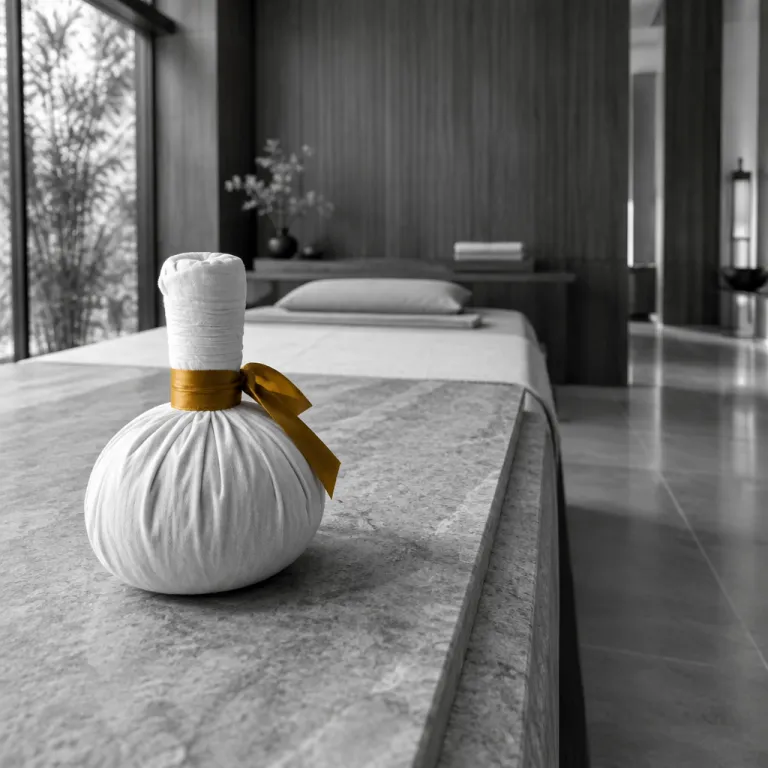
In Bangkok’s top hotel spas, the traditional floor mat has often moved into private treatment rooms with river views or hidden gardens. The structure of Thai massage remains, but the experience is softened with warm herbal compresses, quieter lighting and more time for slow transitions between stretches. This is where a Thai massage appointment in a luxury setting starts to feel like a full evening ritual rather than a quick body tune-up.
At The Peninsula Bangkok, for example, the spa leans into its riverside setting, pairing Thai bodywork with long soaks and carefully paced treatment sequences. Couples can book adjoining treatment rooms, moving from a shared foot bath into parallel massages that end with tea on a balcony overlooking the Chao Phraya River, which turns a standard treatment into a shared wellness memory. Properties that work with Thai brands such as HARNN often extend this idea into a complete heritage spa experience, using oils and balms that echo traditional recipes while still feeling modern and light on the skin.
Resorts like Banyan Tree Bangkok helped define what many travellers now expect from spa design in the city, with sky-high hotel sanctuaries that still respect traditional techniques on the mat. When you compare these urban retreats with coastal properties in Europe, you see how Bangkok’s best spas use similar design language but anchor it in Thai heritage rather than generic luxury. For couples planning a day of treatments, alternating a strong Thai massage with a slower oil massage in the same spa can balance intensity and relaxation remarkably well.
Bangkok’s heritage frame: from temple courtyards to riverside suites
Thai massage did not begin in a hotel, a spa or even a dedicated wellness building. Its roots sit in temple courtyards, monastic medicine halls and family lineages that treated the body as part of a wider spiritual practice. When a luxury spa in Bangkok references this heritage honestly, the experience gains a depth that no amount of marble can fake.
Wat Pho remains the most visible symbol of this lineage in Bangkok, with murals and stone inscriptions that map out the body’s energy lines for students of Thai massage. The temple’s massage school, founded in the 1950s and now formally known as the Wat Pho Thai Traditional Medical and Massage School, publishes standardised diagrams that many therapists still study. Some of the best spas in the city quietly align their treatment sequences with these traditional charts, even when the setting is a sleek riverside suite at Capella Bangkok or a high-floor sanctuary at Banyan Tree. You might be lying on a heated bed rather than a temple mat, but the therapist’s thumbs still follow the same invisible pathways along the legs, back and shoulders.
For couples, this heritage frame matters because it turns a simple massage into a place-specific ritual that could only happen in Bangkok. Choosing hotel spas that reference Wat Pho, work with Thai brands such as HARNN, or describe themselves as a heritage partner is one way to filter for seriousness. If you are curious about how these rituals fit into wider city life, look at how leading properties also curate quieter wellness rituals after dark, a side of the city explored in depth in this guide to Bangkok’s unadvertised hotel wellness rituals.
Choosing the right spa in Bangkok for a meaningful Thai massage
Not every spa in Bangkok treats Thai massage with the same respect, so choosing carefully matters. A serious property will list therapist training, explain pressure levels clearly and offer enough time for a full sequence rather than a rushed thirty-minute session. Look for treatment rooms with space for floor work, not just narrow tables designed only for oil-based treatments.
In spas Bangkok-wide, the best therapists begin with questions about your body, sleep and daily routine before they even touch your feet. They will ask about injuries, demonstrate how firm the pressure can be and adjust the rhythm if you are new to the practice, which is especially important for couples booking their first shared session. One senior therapist at a riverside hotel spa notes that guests who speak up about pressure within the first ten minutes “almost always leave more relaxed,” because the body never has to brace against discomfort. A thoughtful spa experience might also suggest pairing a strong full-body treatment with a gentler foot massage or a gua sha-based facial to avoid overwhelming the nervous system.
Hotel spas at properties such as The Peninsula Bangkok, Capella Bangkok and Banyan Tree Bangkok usually offer both Thai classics and more contemporary options on the same menu. When you see clear descriptions of traditional sequences, realistic timing and honest notes about intensity, you are likely in safe hands. For couples planning a longer stay, pay attention to how the hotel handles other rituals such as breakfast service, because the same attention to detail often carries across, as explored in this analysis of how Bangkok’s best hotels win the first meal of the day.
Designing a couple’s wellness day around Thai massage in Bangkok
For a couple, the most rewarding way to approach Thai massage in Bangkok is to treat it as the spine of a full wellness day. Start with a morning foot massage at a trusted Thai spa, which gently wakes the body without the intensity of a full stretch-based session. After a light lunch, move into a longer treatment at your hotel, giving yourselves enough time to shower, rest and arrive unhurried.
Many of the best spas in riverside hotels such as The Peninsula Bangkok or Capella Bangkok offer day packages that combine Thai massage, oil massage and quieter gua sha facials. A well-designed spa experience will alternate strong pressure work with calmer elements, so your nervous system has time to settle between massages rather than staying on high alert. If your hotel partners with a HARNN heritage spa concept or a brand such as Oasis Spa, you can expect thoughtful use of Thai botanicals that echo the city’s gardens and the old trading routes of Siam.
In the evening, consider a slow walk along the river or a simple tea in the lobby rather than rushing straight to a rooftop bar, letting the body integrate the day’s work. Couples who treat Thai massage as a shared ritual rather than a quick fix often report that their overall sleep and mood improve for the rest of the trip. Over several days in Bangkok, alternating temple visits, quiet time by the pool and repeat sessions at serious hotel spas can turn a city break into something closer to a retreat without ever leaving Siam’s restless capital.
FAQ
What makes traditional Thai massage different from a regular oil massage ?
Traditional Thai massage focuses on assisted stretches and pressure along energy lines, usually performed on a mat with the client fully clothed. A regular oil massage relies more on gliding strokes over the muscles, using oils directly on the skin. In Bangkok’s luxury hotel spas, many couples alternate both styles in one visit to balance intensity and relaxation.
Is Thai massage in Bangkok too intense for first time visitors ?
Thai massage can feel strong, but skilled therapists in serious spas across Bangkok will always adjust pressure to your comfort level. When booking in a hotel spa, note that you are new to Thai massage and ask for a medium or gentle session. Starting with a shorter foot massage or combining Thai techniques with oil massage is a good way to ease into the tradition.
How long should a proper traditional Thai massage last in a luxury spa ?
A meaningful traditional Thai massage in a hotel spa usually lasts at least ninety minutes, which allows time to work the full body without rushing. Shorter sessions can still be effective, but they often focus on specific areas such as the back and shoulders. For couples planning a wellness day in Bangkok, a two-hour Thai massage followed by a lighter spa treatment offers a more complete experience.
Are hotel spas in Bangkok more reliable than stand alone city spas ?
Many of the best spas in Bangkok sit inside luxury hotels, where training standards, hygiene and therapist supervision are tightly controlled. Stand-alone heritage venues can also be excellent, especially those that reference Wat Pho or long-established Thai wellness schools. If you value consistency and clear communication in English, hotel spas at properties such as The Peninsula Bangkok, Capella Bangkok or Banyan Tree Bangkok are usually a safe starting point.
Can couples share a treatment room for Thai massage in Bangkok ?
Most luxury hotel spas in Bangkok offer double treatment rooms designed for couples, allowing you to experience Thai massage side by side. You can usually choose different treatments, such as one partner taking a full Thai massage while the other opts for an oil massage or gua sha facial. When booking, request a couple’s suite specifically, as these rooms often include private showers, soaking tubs and quiet relaxation areas.