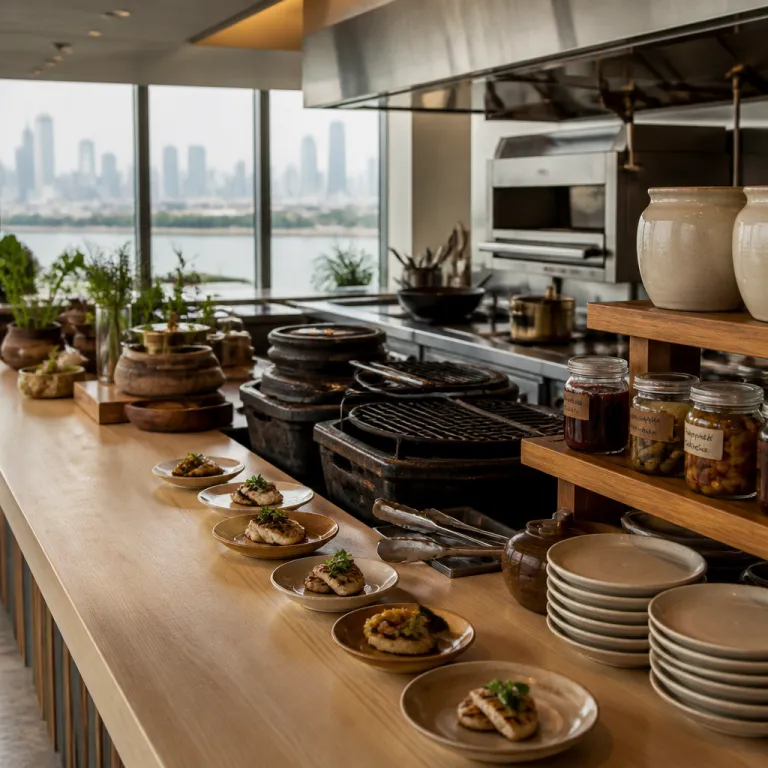
Why fermentation, fire and fusion matter for luxury stays in Bangkok
Bangkok food trends in premium restaurants now shape how many travelers choose their hotel. In a city where Bangkok food culture is as central as temple visits, the most desirable properties are those whose kitchens understand fermentation, open fire and cross cultural fusion as seriously as their spa menus. For couples planning travel focused on Thai food and refined dining experiences, the right hotel restaurant can be the difference between a pleasant stay and a trip that feels genuinely exceptional.
The latest conversation around Bangkok food trends in 2026 is not about the next viral street snack, but about technique and how it translates into memorable dining. Inspectors for the Michelin Guide Thailand have highlighted that “Bangkok restaurants are adopting fermentation, fire, and fusion techniques,” a shift reflected in the 2024 and 2025 editions, where more venues are praised for in house ferments and charcoal cooking. When you book a luxury hotel in Thailand today, you are also choosing how you will taste the city’s evolving Thai cuisine, from long fermented sauces to open flame grilled dishes that reference both street food and fine dining traditions.
For guests, this shift means that a hotel’s restaurant or its partner venues in Bangkok can now rival the city’s independent hotspots. You might enjoy a tasting menu that uses sticky rice koji and fish sauce aged in house one night, then follow the concierge’s guide to late night boat noodles and street food courts the next. The best properties curate food experiences that move effortlessly between polished dining rooms, lively food courts and hidden gems along the Chao Phraya River, giving you a coherent narrative of Thailand food rather than isolated meals.
Long fermentation in a Thai kitchen: depth beyond fish sauce
Fermentation in cooking is “a process where microorganisms break down food components, enhancing flavor and preservation.” In Bangkok, chefs are applying this to Thai food in ways that go far beyond traditional fish sauce, creating layers of umami that feel both familiar and new to seasoned travelers. When you sit down in a hotel restaurant that takes fermentation seriously, every spoonful of rice, every sip of broth and many of the sauces carry this quiet complexity.
At the top end of Bangkok’s restaurant scene in 2026, long fermentation is shaping entire menus rather than appearing as a single clever garnish. The Michelin Guide Thailand notes that some kitchens now prepare their own garums, misos and aged pastes, echoing the rigor seen at Sühring, where German Thai tasting menus by chefs Mathias and Thomas Sühring have earned three Michelin stars in the 2024 guide and show how technique can elevate comfort dishes into fine dining benchmarks; this evolution is explored in depth in this analysis of Bangkok’s dining ambitions. For hotel guests, that means a simple plate of grilled seafood or vegetables can arrive with fermented chilli, sticky rice vinegar or Thai Chinese inspired pickles that tell a story of both local tradition and global technique.
Fermentation also connects luxury dining to the everyday food experiences that make Bangkok irresistible. Street food vendors have long relied on fermented elements in Thailand food, from pungent fish sauce to preserved vegetables served with rice and grilled meats. Now, when you explore restaurants Bangkok wide, you will notice how both independent venues and hotel kitchens reference these street traditions, whether through a refined hot pot broth, a bowl of boat noodles enriched with aged soy or a tasting flight of condiments that turns a simple meal into a guided tour of the city’s food culture. As chef Chalee Kader remarked in a 2023 interview about his work with fermented fish and beef at 100 Mahaseth, “you can’t separate fermentation from Thai flavor; it is the memory of the countryside brought into the city,” a sentiment echoed by many Bangkok chefs experimenting with long aged sauces.
Open flame cooking: from street grills to hotel rooftops
Walk through any local neighborhood in Bangkok and you will smell charcoal before you see the grill. That smoky perfume has always defined street food, but now open flame cooking is moving confidently into the city’s best restaurants and luxury hotel dining rooms. For couples choosing where to stay, the promise of a rooftop or riverside restaurant that treats fire with the same precision as a sommelier treats wine can be a compelling reason to book.
Restaurants such as Kwann, Lava Asian Fire Grill and Fuego show how open fire can bridge casual and fine dining in current Bangkok food trends. At Kwann, chefs use traditional charcoal grills to reinterpret Thai cuisine, charring river prawns until their shells blister and brushing them with smoky tamarind glaze, while Lava Asian Fire Grill leans into Asian inspired grilling with fusion dishes that feel both playful and controlled. Fuego, with its Spanish Japanese fusion and open fire focus, demonstrates how a single element like flame can connect tapas style plates, grilled fish and rice dishes in a way that feels coherent rather than gimmicky, giving travelers a clear guide to what serious fire cooking can be in Thailand.
Hotel restaurants are learning from these pioneers and from the city’s street food heritage at the same time. You will now find open kitchens where chefs grill river prawns from the Chao Phraya, sear marinated meats over charcoal and finish vegetables in wood fired ovens, all while referencing the late night skewers sold on nearby streets. For guests, this means you can enjoy the drama of fire cooking without leaving your property, then step outside to compare it with the street food courts and hidden gems your concierge recommends, creating a set of food experiences that feel both curated and genuinely local.
Fusion with discipline: Korean waves, German rigor and Thai roots
Fusion has been a dirty word in many cities, but in Bangkok it is being reclaimed with discipline and respect. The most interesting Bangkok food trends now are not about random mashups, but about chefs who understand Thai cuisine deeply and then invite other traditions into the conversation. For travelers, this means you can enjoy cross cultural menus that feel grounded rather than chaotic, whether you are seated in a hotel dining room or a small independent restaurant.
The Korean wave in Bangkok dining is a good example of why this works. Korean chefs and Thai teams are collaborating on menus where kimchi fermentation techniques meet local fish sauce, where sticky rice appears alongside Korean rice cakes and where hot pot broths borrow aromatics from both traditions to create something new yet comforting. At the same time, German Thai tasting menus at places like Sühring show how European rigor can frame familiar Thai food flavors, proving that fusion can be both emotionally resonant and technically precise when handled by experienced hands.
Beyond these headline names, the city is full of restaurants Bangkok wide that explore fusion at different price points. Xin Xe Goi on Soi Nana, for example, brings Chinese fusion cuisine with Western techniques into a lively neighborhood setting, serving dishes like tea smoked duck with chilli lime dressing, while many hotel restaurants now offer tasting menus that weave in influences from Chiang Mai, Japan and Korea without losing sight of local roots. When you plan your travel, look for properties whose food Bangkok offerings include both a serious in house restaurant and partnerships with nearby hidden gems, so you can move between polished fusion dinners, casual street food and late night snacks without sacrificing comfort or authenticity.
How luxury hotels curate Bangkok’s new food experiences
For couples booking a premium stay, the smartest hotels in Bangkok now act as culinary curators rather than just providing a restaurant. They understand that Bangkok food trends in 2026 are driven by technique, neighborhood and narrative, so they design food experiences that connect all three. When you browse a luxury and premium hotel booking website in Thailand, pay attention to how clearly each property explains its approach to cuisine, not just the number of restaurants it lists.
Many of the top properties now highlight their relationships with local farmers, fermentation specialists and independent restaurants in Bangkok. Some offer guided evenings that begin with cocktails in the hotel bar, continue with a fine dining tasting menu focused on long fermented sauces and open flame grilled dishes, then move into nearby street food courts for late night snacks of boat noodles, grilled meats and rice dishes seasoned with pungent fish sauce. Others provide detailed neighborhood guides, similar in spirit to this resource on how to choose the best district for your trip, helping you match your preferred food culture to the right part of the city.
Hotel booking platforms that specialize in Bangkok’s luxury scene, such as stay in bangkok style curators, increasingly filter properties by culinary strengths. You might search for hotels with serious Thai Chinese kitchens, access to Chao Phraya boat dining or partnerships with fire focused venues like Lava Asian Fire Grill and Fuego, then compare how each one integrates these assets into your overall stay. For a deeper look at how these culinary movements influence booking decisions, this feature on culinary trends shaping luxury hotel booking in Bangkok offers a useful framework for evaluating which properties truly understand the city’s evolving restaurant landscape.
Planning your own tasting itinerary around Bangkok’s new techniques
Designing a trip around Bangkok food trends in 2026 does not mean eating only in expensive dining rooms. The most rewarding itineraries move between hotel restaurants, independent venues and the kind of street food that has always defined the city. Think of your stay as a tasting menu that spans neighborhoods, price points and cooking methods rather than a series of isolated reservations.
Start with your hotel, choosing a property whose restaurant team can act as a guide to both fine dining and street food. Ask the concierge which late night stalls they personally visit for boat noodles, which food courts they recommend for regional Thailand food from Chiang Mai and which hidden gems along the Chao Phraya they trust for grilled seafood and rice dishes. Then layer in reservations at places like Kwann for charcoal driven Thai cuisine, Fuego for Spanish Japanese fire cooking and Xin Xe Goi for Chinese fusion with Western techniques, so you experience the full spectrum of fermentation, fire and fusion in one trip.
Throughout your stay, pay attention to how the city’s food culture connects seemingly different experiences. Notice how the fermented chilli served with your hotel breakfast rice echoes the complexity of a fine dining sauce, or how the smoky aroma from a street grill mirrors the flavors in a carefully plated tasting menu. By the time you leave Bangkok, you will have built your own personal guide to the city’s restaurants, one that moves confidently from polished dining rooms to plastic stools and back again, and that understanding will shape how you choose hotels and restaurants in Bangkok on every future visit.
FAQ
What is fermentation in Thai cooking and why is it important now ?
Fermentation in Thai cooking uses microorganisms to break down ingredients such as fish, soy, rice and chillies, creating deeper flavors and natural preservation. As the Michelin Guide Thailand has noted, more Bangkok restaurants now make their own fermented sauces, pastes and condiments rather than buying them, a trend visible in recent listings that praise house made nam pla, soybean ferments and aged chilli pastes. For travelers, this means hotel and independent restaurants can offer Thai food with greater complexity, from breakfast rice dishes to elaborate fine dining menus.
Why are Bangkok chefs embracing open flame and charcoal cooking ?
Open flame and charcoal cooking have always been central to Bangkok street food, where grills line pavements and late night skewers perfume entire blocks. Chefs in leading restaurants now use traditional charcoal grills and modern equipment to control temperature precisely while still capturing that smoky character. Guests benefit from dishes that feel rooted in local food culture yet executed with the finesse expected in high end hotel and destination restaurants.
How does fusion cuisine work in Bangkok without feeling gimmicky ?
In Bangkok, the most respected fusion cuisine starts with a solid understanding of Thai cuisine and then introduces other traditions with care. German Thai tasting menus, Korean influenced hot pot and Chinese fusion with Western techniques all succeed when chefs respect local ingredients, from fish sauce to sticky rice, and use them thoughtfully. Travelers should look for restaurants that explain their influences clearly and show how each dish connects back to the city’s broader food experiences.
Can I experience these trends if I stay mainly in my hotel ?
Many luxury hotels in Bangkok now design their restaurants and partnerships around fermentation, fire and fusion, so you can experience key trends without leaving the property. However, the richest understanding comes when you combine hotel dining with visits to nearby street food courts, riverside stalls along the Chao Phraya and independent restaurants in Bangkok that your concierge recommends. A balanced itinerary lets you compare how techniques appear in both polished dining rooms and everyday local settings.
How should I choose a hotel if food is my main priority ?
If food is central to your travel, start by checking how clearly each hotel describes its culinary concept, chef team and restaurant partnerships. Look for properties that mention fermentation programs, open flame kitchens or collaborations with notable restaurants Bangkok wide, and ask whether they offer curated food experiences such as guided street food tours or tasting itineraries. Matching your preferred style, whether fine dining, street food or a mix of both, to the right neighborhood and hotel will ensure Bangkok’s evolving restaurant scene is woven naturally into your stay.