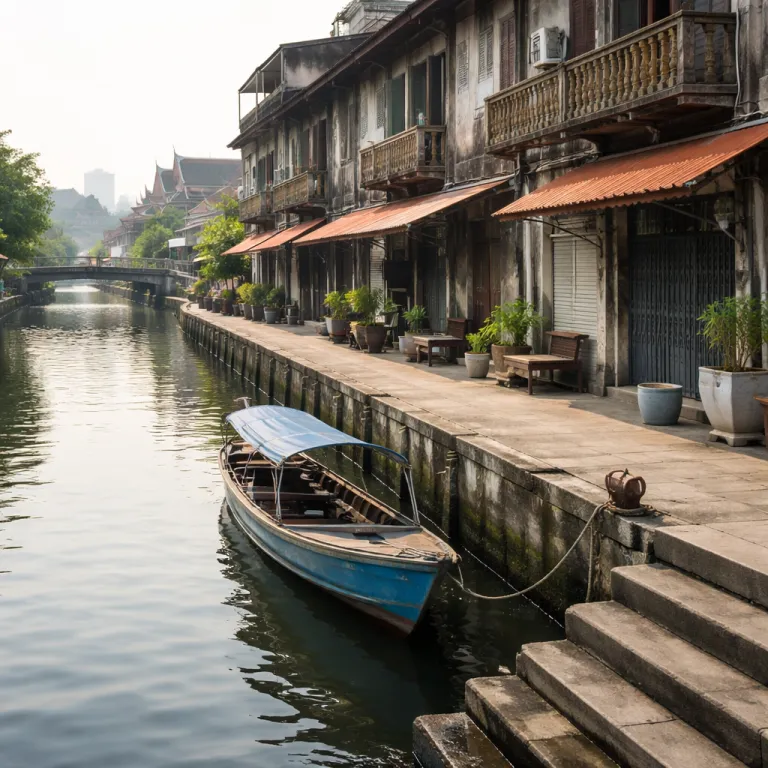
Bangkok cultural districts guide for luxury minded families
Bangkok rewards travelers who treat the city as a constellation of cultural neighborhoods rather than a single chaotic mass. This Bangkok cultural districts guide focuses on where a premium stay in a luxury hotel intersects with galleries, temples and river life in a way that works for families. In a city this dense, choosing the right area for your rooms determines whether your stay in Bangkok feels effortless or exhausting.
The most culturally layered districts sit along the river and around the historic core, yet they connect smoothly to modern hubs such as Sukhumvit and Silom. That means you can sleep in a riverside sanctuary with a rooftop pool and still reach the Bangkok Art and Culture Centre or Phrom Phong malls by BTS or MRT stations in under thirty minutes. For many travelers, the best strategy is to pair one riverside stay in Bangkok with a second hotel in a central city neighborhood, giving children both pool time and easy temple access.
Bangkok Thailand counts more than one hundred art galleries, and many cluster in walkable pockets that suit stroller friendly exploration. Cultural organizations have helped shape two key hubs — the Bangrak Klongsan Creative District and the Sathorn Silom Art District — which now anchor any serious Bangkok cultural districts guide. According to the Bangkok Metropolitan Administration’s cultural mapping projects (2019–2022) and Tourism Authority of Thailand (TAT) cultural tourism briefings (most recently updated in 2023), these areas show that the best Thai cultural experiences are not only inside the Grand Palace walls but also in converted shophouses, riverside warehouses and small cafés where local artists actually work.
Rattanakosin and the royal riverfront: temples, ferries and family friendly luxury
Rattanakosin is the historic island that most first time travelers associate with Bangkok Thailand. Here you find the Grand Palace, Wat Pho and easy boat connections across the Chao Phraya River to Wat Arun, all within short walk segments that even younger children can handle. For families booking a luxury hotel, the question is how close you want to stay to this cultural core without sacrificing calm.
Staying directly in the old city neighborhood gives you dawn access to Wat Pho’s reclining Buddha and evening strolls along the river, but heritage properties here tend to be smaller and less resort like. Many premium travelers instead choose a Bangkok riverside hotel slightly downstream, where larger rooms, kids’ pools and quieter gardens sit a short boat ride from the main sights. This approach keeps you within walking distance of river piers while avoiding the late night noise around Khao San Road and its parallel San Road lanes.
Best for: first time temple visits, short walking distances, easy ferry hops. From a logistics perspective, Rattanakosin connects naturally with other cultural districts by river ferries and canal boats. You can board a Chao Phraya River express boat at Tha Chang or Tha Tien near the Grand Palace, glide past the Bangkok riverside skyline and disembark at Si Phraya or Sathorn piers near the Bangrak Klongsan Creative District for galleries and Thai food. For a deeper look at how different areas feel on the ground, families planning where to stay in Bangkok Thailand can use this refined guide to the best area to stay in Bangkok for a city escape as a complementary planning tool.
Bangrak–Klongsan Creative District: heritage warehouses and riverside sanctuaries
Across and along the river from Rattanakosin, the Bangrak Klongsan Creative District has quietly become the city’s most compelling cultural riverside area. Officially recognised as a cultural hub by the Creative District Foundation and supported by Bangkok Design Week programming, the Bangrak Klongsan Creative District fosters creative industries and cultural activities in restored warehouses and traditional shophouses. For a Bangkok cultural districts guide aimed at luxury travelers, this neighborhood is where art, history and five star service genuinely intersect.
Families can spend a morning exploring Warehouse 30, River City Bangkok and smaller galleries that line Charoen Krung Road, then retreat to a nearby riverside hotel for a swim in a rooftop pool overlooking the Phraya River. Many properties here offer spacious rooms that work for parents and children, plus easy boat shuttles to the opposite bank in Klongsan where more creative spaces are emerging. The area’s street food scene is approachable for kids, with mild Thai food options alongside more adventurous stalls that local artists frequent between exhibitions.
Best for: gallery hopping, riverside walks, design focused cafés. Staying in this part of Bangkok means you are a short walk from both cultural venues and river piers, while still within reasonable taxi distance of Sukhumvit and Silom. Typical transfers run about 15–25 minutes by BTS from Saphan Taksin station to Siam or Asok, depending on time of day. To understand how these lanes fit into the wider city fabric, read this soi level primer on how to read Bangkok’s neighborhoods like a local before you book. It explains why a hotel on Charoen Krung feels different from one deeper in Silom, even though both technically sit in the same central city area and share access to MRT stations and BTS lines.
Sathorn–Silom Art District: galleries, business towers and sky high pools
Move inland from the river and you reach the Sathorn Silom Art District, another officially recognised artistic center that hosts numerous galleries and creative spaces. This neighborhood blends embassies, office towers and hidden shrines with some of the city’s most polished hotels, many featuring rooftop pools and rooftop bars that appeal to parents once children are asleep. For a Bangkok cultural districts guide, Sathorn and Silom represent the bridge between riverside heritage and modern Sukhumvit energy.
Luxury properties in this area often sit within walking distance of both BTS and MRT stations, making it easy to reach the Bangkok Art and Culture Centre or Museum Siam without long taxi rides. Families can schedule a morning gallery hop in the Sathorn Silom Art District, pause for Thai food in a shaded courtyard, then ride the Skytrain to Siam for air conditioned museum time. At street level, Silom’s side streets offer some of the city’s best street food, yet the main roads remain efficient for getting back to your hotel quickly with tired children.
Best for: combining business district convenience with culture, quick BTS access, sky high pools. When comparing Sathorn Silom with Sukhumvit Silom combinations for a split stay, think about your priorities. Sathorn is better for quieter evenings and proximity to the river, while Silom excels at mixing cultural venues with business district convenience and fast access to the city’s shopping core. For an in depth look at one of the most storied riverside properties that anchors this broader area, see this detailed review of a heritage luxury hotel’s garden suites and renovation story at a classic riverside sanctuary.
Sukhumvit and Phrom Phong: urban sanctuaries with cultural access
Sukhumvit is often framed purely as a shopping and nightlife corridor, yet certain sections work beautifully as urban sanctuaries for culture focused families. Around Phrom Phong station, for example, you find large scale malls with excellent play areas, refined Thai food courts and easy Skytrain links to the Bangkok Art and Culture Centre. Choosing a hotel in this part of Sukhumvit gives you modern comforts while keeping cultural districts within a manageable commute.
Many premium properties in Sukhumvit offer interconnecting rooms, kids’ clubs and rooftop pools, which can be invaluable after a long morning at the Grand Palace or Wat Pho. From Phrom Phong, you can ride the BTS to Saphan Taksin, transfer to a Chao Phraya River boat and be in the Bangrak Klongsan Creative District in under an hour, even with children in tow. This pattern — culture in the morning, pool and mall time in the afternoon — suits families who want a balanced stay in Bangkok without over scheduling.
Best for: longer stays, shopping and dining variety, easy Skytrain links. Compared with Silom, Sukhumvit feels more residential and international, with a wider range of global food alongside classic Thai street food on side sois. Travelers who prioritise nightlife and dining variety may find this the best area for their second hotel, after a few nights on the Bangkok riverside. Just remember that while Khao San and San Road have their backpacker charm, families seeking comfort and cultural depth usually fare better in Sukhumvit or riverside neighborhoods with easier transport and quieter evenings.
Contemporary culture anchors: BACC, Museum Siam and beyond
Bangkok’s cultural story is not only about temples and old shophouses; contemporary institutions now play a central role in any serious itinerary. The Bangkok Art and Culture Centre (BACC) stands at the heart of the city, a multi floor space with free admission that works well for families thanks to its cafés, bookshops and rotating exhibitions. From Silom or Sukhumvit, direct BTS links make BACC an easy half day excursion between other city activities.
Further south near the river, Museum Siam offers an interactive take on Thai history inside a neoclassical building, with exhibits that encourage children to touch, play and question. It pairs naturally with visits to Wat Pho and the Grand Palace, forming a compact cultural triangle within walking distance for reasonably active families. Many travelers underestimate how engaging these spaces can be, yet they often become trip highlights precisely because they translate complex Thai cultural themes into accessible experiences.
Official figures from the Bangkok Tourism Division and TAT suggest that Bangkok’s cultural districts welcome around five hundred thousand visitors annually, a number that reflects both local engagement and international tourism. These estimates, drawn from cultural tourism reports published between 2018 and 2023, underline how consistently popular the city’s creative quarters have become. For families planning a stay in Bangkok Thailand, weaving BACC and Museum Siam into a route that also touches the Bangrak Klongsan Creative District and the Sathorn Silom Art District creates a rounded cultural circuit rather than a checklist of isolated sights.
How to move between districts: boats, trains and walkable segments
Moving efficiently between Bangkok’s cultural quarters is where many guidebooks fall short, yet logistics can make or break a family trip. The most elegant itineraries combine river ferries on the Chao Phraya River, BTS and MRT stations, and carefully chosen walking segments that stay within your children’s comfort range. When planning, think in terms of clusters — riverfront, old city, Silom Sathorn, and Sukhumvit Phrom Phong — rather than individual attractions scattered across the map.
A typical cultural day might start with a boat from a Bangkok riverside hotel to the Grand Palace area, followed by a short walk to Wat Pho and a ferry hop to Wat Arun. After lunch, you could ride a river boat down to the Bangrak Klongsan Creative District, explore galleries and street food stalls, then take a taxi or Skytrain back to your hotel for a late swim in the rooftop pool. This pattern keeps long transfers to a minimum while maximising time in each neighborhood’s most atmospheric streets.
Local experts consistently recommend walking tours, public transportation and guided visits as the most rewarding ways to explore these districts. As one official summary from the Bangkok Metropolitan Administration puts it, “Walking tours and public transport are recommended.” Families who follow this advice often report that the journey between areas — the canal boat, the Skytrain ride over the river, the short walk through a market — becomes as memorable as the temples and galleries themselves. Wear comfortable shoes, stay hydrated and respect local customs, and Bangkok’s cultural geography will feel surprisingly manageable even with younger travelers.
Key figures shaping Bangkok’s cultural districts
- Bangkok hosts around 100 art galleries across the city, with a significant concentration in the Bangrak Klongsan Creative District and the Sathorn Silom Art District, according to recent surveys of Bangkok art districts by the Bangkok Art and Culture Centre and local gallery associations.
- Cultural districts in Bangkok welcome approximately 500,000 visitors per year, based on data from the Bangkok Tourism Authority and Tourism Authority of Thailand, underlining their growing importance for both local residents and international travelers.
- The main cultural quarters highlighted in this Bangkok cultural districts guide — Rattanakosin, Bangrak Klongsan, Sathorn Silom, and central hubs around BACC and Museum Siam — can all be reached within about 30 to 45 minutes from major hotel areas such as Sukhumvit and Silom using a mix of BTS, MRT and river boats.
- Bangkok’s cultural hubs have seen a steady revitalisation of traditional shophouses, with dozens converted into galleries, cafés and creative studios in the past decade, contributing to increased cultural tourism and economic activity in riverside neighborhoods.
FAQ about Bangkok’s cultural quarters and where to stay
What are Bangkok’s main cultural districts for travelers interested in art and history ?
The key cultural districts for visitors are Rattanakosin around the Grand Palace and Wat Pho, the Bangrak Klongsan Creative District along the river, the Sathorn Silom Art District, and the central area around the Bangkok Art and Culture Centre and Museum Siam. Bangrak Klongsan and Sathorn Silom are recognised as major creative hubs with numerous galleries and cultural spaces. Together, these neighborhoods offer a mix of temples, museums, contemporary art and riverside architecture that suits both first time and repeat travelers.
Is it better to stay by the river or in Sukhumvit for cultural sightseeing ?
Staying by the river places you closer to Rattanakosin, the Grand Palace, Wat Pho and Wat Arun, and gives easy access to the Bangrak Klongsan Creative District via boats on the Chao Phraya River. Sukhumvit, especially around Phrom Phong, offers more modern comforts, malls and rooftop pools, with fast BTS links to the Bangkok Art and Culture Centre and interchange stations. Many families choose a split stay in Bangkok, starting with a riverside hotel for temple visits, then moving to Sukhumvit or Silom for shopping, dining and contemporary culture.
How can I explore Bangkok’s cultural districts without relying on taxis ?
You can combine river ferries, BTS Skytrain, MRT underground lines and short walks to cover most cultural areas efficiently. For example, ride the BTS to Saphan Taksin, transfer to a Chao Phraya River boat for the Grand Palace or Bangrak Klongsan, then continue by ferry to Wat Arun or by taxi for a brief final leg. Local experts advise that walking tours and public transport are recommended, and many guided visits now integrate these modes for a smoother experience.
Are Bangkok’s cultural districts suitable for families with children ?
Yes, most cultural neighborhoods in Bangkok are very manageable for families, especially if you plan shorter walking segments and schedule pool breaks at your hotel. Rattanakosin’s main sights sit close together, Museum Siam is interactive and child friendly, and the Bangkok Art and Culture Centre offers cafés and seating areas between exhibitions. Choosing hotels with family sized rooms, rooftop pools and easy access to BTS or river piers makes it easier to balance cultural visits with rest time.
Do I need a guided tour to appreciate Bangkok’s cultural quarters ?
Guided tours are not essential but can add depth, especially in areas like the Bangrak Klongsan Creative District and the Sathorn Silom Art District where local guides know the smaller galleries and studios. Various agencies offer guided cultural tours that combine walking, public transport and curated stops, which can be helpful for first time visitors or families who prefer a structured day. Independent travelers can still navigate easily using maps, mobile apps and clear public transport connections between major cultural hubs.