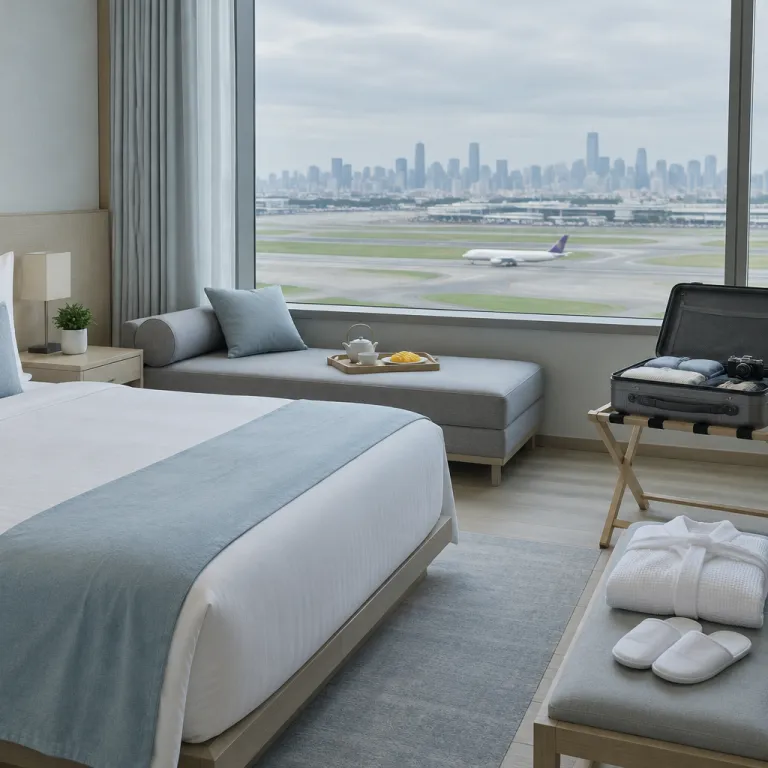
Bangkok layover luxury hotel day use: when a transit becomes a stay
Bangkok is one of Asia’s great crossroads, and a long layover can feel like wasted hours. With the right planning, a Bangkok layover luxury hotel day use stay turns that gap between flights into a calm urban interlude. Think of it as a short retreat where you actually sleep, reset and arrive at your next meeting looking composed rather than crumpled.
The first calculation is time, not temptation, because the airport and city are linked by fast transportation but also by Bangkok’s famous traffic. From Suvarnabhumi Airport to central hotel Bangkok districts, the Airport Rail Link takes around thirty minutes from terminal to downtown, while a taxi can range from forty five minutes to well over an hour in rush hour. As a practical guide, if your layover is under six hours, stay close to the airport Bangkok area ; if you have eight to twelve hours or an overnight transit, the city’s luxury hotels become realistic options.
Inside Bangkok Suvarnabhumi, the experience is already geared to transit, with a dedicated transit hotel, multiple lounges and quiet corners for rest. Yet even the best airport hotel can feel airless after several flights, which is why day hotels with pool access, spa facilities and flexible check in policies are so valuable. A carefully chosen day hotel gives you a private lounge, a proper bed for real sleep and the mental reset that only a shower, daylight and space can provide.
Staying airside: when an airport hotel is the smartest luxury
Not every itinerary justifies leaving the terminal, and that is where a well chosen airport hotel comes into its own. For layovers of four to eight hours, especially on overnight connections, the most efficient option is often a transit hotel or an airport hotel directly linked to Bangkok Airport. You trade skyline views for certainty, short walking distances and the ability to check in, sleep and check out without ever crossing immigration.
At Suvarnabhumi Airport, the airside Miracle Transit Hotel and other transit hotel options offer compact day rooms designed for deep rest rather than long stays. These day rooms usually come with blackout curtains, strong showers and quiet air conditioning, which matter more than marble lobbies when you have only a few hours. Many of these layover hotels structure payment by block of hour segments, so you can book three, six or twelve hours depending on your transit schedule.
On the landside, several day hotels and full service hotels offer direct access via free shuttle vans or short walkways from the terminal. These hotels offer flexible check in and flexible check out windows, which are essential when flights arrive at awkward hours and you need to rest before a morning meeting. Before you book, always check whether luggage storage is included, how currency exchange is handled on site and whether the hotel accepts international card payment for short day use stays.
For travellers who prefer an urban sanctuary feel even near the runways, properties in the eastern suburbs of Bangkok can be a smart compromise. They sit within a thirty minute drive of the airport Bangkok area yet feel more like neighbourhood hotels than pure layover hotels. You still gain quick transportation back to the terminal while enjoying a quieter environment, better dining and a sense that you have actually visited Bangkok, not just its airport.
When you compare these options, think like a strategist rather than a tourist. If your priority is uninterrupted sleep and zero stress about the next departure, an airport hotel with guaranteed wake up calls, clear access to the terminal and on site currency exchange counters is often the most luxurious choice. The real indulgence is certainty ; knowing that your next flight is a five minute walk away lets your mind finally rest.
For a different kind of urban sanctuary perspective in the city itself, look at how properties like this Sukhumvit urban sanctuary hotel balance location, quiet rooms and thoughtful service. While not an airport hotel, it shows what to seek in day hotels that promise calm in a dense city. The same principles apply when you choose layover hotels near Bangkok Suvarnabhumi or in the central districts.
Leaving the airport: how many hours you really need for the city
Once your layover stretches beyond eight hours, the equation shifts in favour of the city. A Bangkok layover luxury hotel day use plan in central neighbourhoods lets you turn transit into a mini city break, provided you respect the maths. You must factor in immigration, transportation, hotel check in and a generous buffer before your next departure.
From Bangkok Airport to downtown, the Airport Rail Link connects the terminal to Phaya Thai station in around thirty minutes, where you can transfer to the BTS Skytrain for areas like Sukhumvit and Silom. Taxis or ride hailing services such as Grab usually take forty to sixty minutes depending on traffic, and car rental desks at Suvarnabhumi Airport are better suited to longer stays than quick layovers. For most travellers, ride hailing or hotel arranged car rentals with drivers are the most efficient transportation choices for a short day.
As a rule of thumb, if you have eight to ten hours between flights, choose a hotel Bangkok property within easy access of the Airport Rail Link or expressway. That gives you enough time to check in, shower, sleep for at least one solid hour and still enjoy a meal or spa treatment before returning to the terminal. If your layover is overnight, you can treat the city as a full stop rather than a comma, booking either day rooms that roll into overnight stays or a standard room with flexible check in and late check out.
Business travellers should think in segments rather than a blur of hours. Allocate one hour for immigration and customs, one hour for transportation into town, three to four hours for rest and work in the hotel, then another hour and a half to return and clear security. That structure turns a vague layover into a precise guide for your day, reducing stress and making every hour count.
Neighbourhood choice matters as much as hotel choice. Sukhumvit offers a dense concentration of luxury hotels, excellent dining and easy BTS access, making it ideal for a fast in and out stay. For a curated look at how to choose the right luxury base in this corridor, study this guide to urban sanctuary stays near Nana, then apply the same criteria to your own layover hotels shortlist.
Whichever district you choose, always check visa requirements for transit passengers before committing to a city stay. Many nationalities receive visa exempt entry on arrival, but rules change and your airline will expect you back at the terminal well before boarding. The most luxurious layover is the one where you never have to sprint through the airport because you misjudged Bangkok’s traffic or immigration queues.
What to look for in a luxury layover hotel or day hotel
Not every five star property is built for transit, so you need to be selective. A true Bangkok layover luxury hotel day use experience starts with flexible check in and clear day use policies, not just a glamorous lobby. You are buying hours, not nights, and the best hotels understand that.
When you evaluate hotels for a layover, prioritise those that explicitly market day rooms or day hotel packages. These offers usually include access to spa facilities, pools, fitness centres and sometimes executive lounge privileges, even if you are technically only there for the day. Many hotels offer structured payment for six, eight or twelve hour blocks, which lets you match your booking precisely to your transit schedule.
Room design matters more than you might expect when you only have a few hours. Look for blackout curtains, high quality mattresses and quiet air conditioning, because the goal is real sleep rather than a quick nap. A powerful shower, generous amenities and fast room service turn a short stay into a restorative ritual, especially after an overnight flight.
On the practical side, confirm whether the hotel provides free shuttle services to and from Bangkok Airport or Suvarnabhumi Airport. A reliable free shuttle can save both time and currency, especially when you are juggling luggage storage, currency exchange and tight departure hours. If there is no shuttle, check the estimated ride hailing or taxi time at different times of day, and consider whether car rentals with drivers might be more predictable.
Business travellers should also assess work friendly features. Strong Wi Fi, quiet desks, plentiful power outlets and access to a business lounge can turn a layover into a productive work session between flights. Some day hotels and airport hotel properties even offer meeting rooms by the hour, which is useful if you are hosting clients in Bangkok during a transit.
Finally, pay attention to the fine print around payment and cancellation. Many layover hotels require prepayment for day rooms, while others allow flexible payment on arrival but impose strict cut off times for check in. A hotel that aligns its policies with the unpredictable nature of air travel is worth prioritising, because flexibility is the real luxury when your schedule depends on aircraft rather than your calendar.
Designing the perfect six to twelve hour luxury layover in Bangkok
Once you have chosen your hotel, the art lies in structuring your time. A well planned Bangkok layover luxury hotel day use itinerary balances rest, nourishment and a touch of Bangkok’s energy without ever risking your onward flight. Think of it as a three act play : arrival, reset, return.
On arrival at Bangkok Suvarnabhumi, move with purpose through immigration, then head directly to your chosen transportation. If your hotel offers a free shuttle, confirm the pick up point in the terminal in advance and check the schedule so you are not waiting in the heat. If you are using ride hailing, follow the airport’s designated pick up zones and keep an eye on both the app and the departure boards to stay anchored in your transit reality.
Once you reach the hotel, resist the temptation to immediately explore the city. Check in, arrange luggage storage if needed and head straight to your room or the spa for a shower and at least one hour of uninterrupted rest. Many hotels offer express spa treatments tailored to transit guests, such as sixty minute jet lag massages or short facials that fit neatly into a layover schedule.
After you sleep and reset, you can afford a controlled dose of Bangkok. In central districts, that might mean a late lunch at a hotel restaurant that takes local flavours seriously, or a short walk to a trusted street food stall recommended by the concierge. If your layover is overnight, consider a rooftop drink with skyline views, but always keep one eye on the clock and your boarding hour.
Before you leave the hotel, settle your payment, retrieve any luggage from storage and confirm your transportation back to the airport Bangkok area. Aim to arrive at the terminal at least two hours before a regional flight and three hours before a long haul departure, adding extra buffer during peak evening hours. Once back at the terminal, you can use a lounge for a final shower or light meal, but the heavy lifting of rest and recovery has already been done in your hotel.
For travellers planning a layover during the cooler months, it is worth reading this analysis of Bangkok’s luxury sweet spot in the cool season. Cooler temperatures make short city forays more comfortable, especially if you are stepping out from an air conditioned airport hotel into the streets for a few hours. Aligning your layover plans with the city’s climate can make the difference between a sticky rush and a genuinely pleasant urban interlude.
Money, logistics and small details that protect your onward flight
Luxury on a layover is not only about thread counts and spa menus. It is also about the quiet confidence that every logistical detail, from currency exchange to transportation, has been handled with care. When those small pieces are in place, you can actually relax during your short stay.
Start with money, because you will need some Thai baht even for a short transit. While there are currency exchange counters throughout the terminal, rates in the city are often better, so consider changing only a small amount at Bangkok Airport for immediate expenses. Many hotels accept international card payment for day rooms and overnight stays, but having a little local currency helps with tips, small snacks and ride hailing contingencies.
Luggage strategy is another crucial element. If your bags are checked through to your final destination, you can move quickly from terminal to hotel without detours, which makes a city layover far more attractive. If you must collect luggage, use airport luggage storage services or confirm whether your chosen hotel offers secure storage for both day guests and overnight guests.
Transport back to Suvarnabhumi Airport should be booked with conservative timing. Ask your hotel concierge for realistic travel times at the specific hour you plan to leave, not generic estimates, because Bangkok’s traffic patterns change dramatically throughout the day. If you are using car rentals with drivers or ride hailing services, build in an extra fifteen to thirty minutes as a buffer, especially during evening rush hours.
Inside the terminal, consider how you will spend your final pre boarding hours. Access to an airline or independent lounge can extend the sense of calm you cultivated in your hotel, with showers, quiet seating and light meals. If you do not have automatic lounge access, some day hotels and airport hotel properties sell packages that bundle day rooms with lounge entry, creating a seamless arc of rest from city to gate.
Finally, keep your documents and timings in order. Double check boarding passes, gate numbers and departure hours before leaving your hotel, and set multiple alarms so you never rely on a single wake up call. The most successful layover hotels understand that their role is to protect your onward journey as much as to pamper you, and the best Bangkok layover luxury hotel day use experiences leave you stepping onto your next flight rested, organised and quietly pleased that you turned transit into something more.
Key figures for Bangkok layovers and airport hotels
- Suvarnabhumi Airport handles over 60 million passengers annually, making it one of the busiest hubs in Southeast Asia and a major node for long haul layover traffic (Airports of Thailand data).
- The Airport Rail Link connects Suvarnabhumi Airport to central Bangkok in around 30 minutes, while typical taxi journeys can range from 40 to 60 minutes depending on traffic (Bangkok Mass Transit Authority figures).
- Average international check in recommendations at Bangkok Airport are 2 hours before regional flights and 3 hours before long haul departures, which should be built into any layover hotel plan (airline operational guidelines).
- Many airport hotel and day hotel properties near Suvarnabhumi now offer day rooms in 4, 6 or 8 hour blocks, reflecting growing demand from transit passengers who want short, high quality rest rather than full overnight stays (hospitality industry reports).
- Ride hailing and metered taxis from central hotel Bangkok districts to Suvarnabhumi typically cost the equivalent of 10 to 20 US dollars, while premium car rentals with drivers are higher but offer more predictable timing for business travellers (Bangkok tourism and transport data).
FAQ about luxury layovers and day use hotels in Bangkok
How many layover hours do I need to justify leaving Bangkok Airport for a hotel ?
For most travellers, a minimum of eight hours between flights is advisable if you plan to leave Suvarnabhumi Airport for a city hotel. This allows time for immigration, transportation, check in, a proper rest period and a safe buffer before your next departure. Shorter layovers are usually better spent in an airport hotel or transit hotel directly connected to the terminal.
Is a Bangkok layover luxury hotel day use stay worth it for business travellers ?
For business travellers, a well chosen Bangkok layover luxury hotel day use stay can be the difference between arriving sharp or exhausted. Access to a quiet room, strong Wi Fi, a shower and a short sleep often delivers more value than hours spent in a crowded lounge. Many hotels offer day rooms and flexible check in policies tailored specifically to transit guests with tight schedules.
Should I book an airport hotel or a city hotel for an overnight layover ?
If your priority is certainty and minimal risk of missing your onward flight, an airport hotel or a hotel with a reliable free shuttle to Bangkok Airport is usually best. Travellers with longer overnight layovers who want a taste of the city can choose central hotels, provided they allow enough time for transportation and check in. The decision comes down to your risk tolerance and whether you value urban experiences over absolute convenience.
How do day hotels and day rooms work in Bangkok ?
Day hotels and day rooms in Bangkok typically offer access to a full hotel room for a fixed block of hours rather than a full night. Payment is usually structured in 4, 6, 8 or 12 hour segments, and many hotels offer additional benefits such as spa access, pool use and luggage storage for transit guests. These arrangements are ideal for travellers who need real sleep and a shower during a long layover without paying for an entire overnight stay.
What is the safest way to manage luggage during a Bangkok layover ?
If your luggage is checked through to your final destination, you can move quickly between terminal and hotel with only hand baggage. When you must collect bags, use airport luggage storage services or confirm that your chosen hotel offers secure storage for both day use and overnight guests. Always keep essential documents, medication and valuables in your carry on, regardless of where you store larger items during the layover.