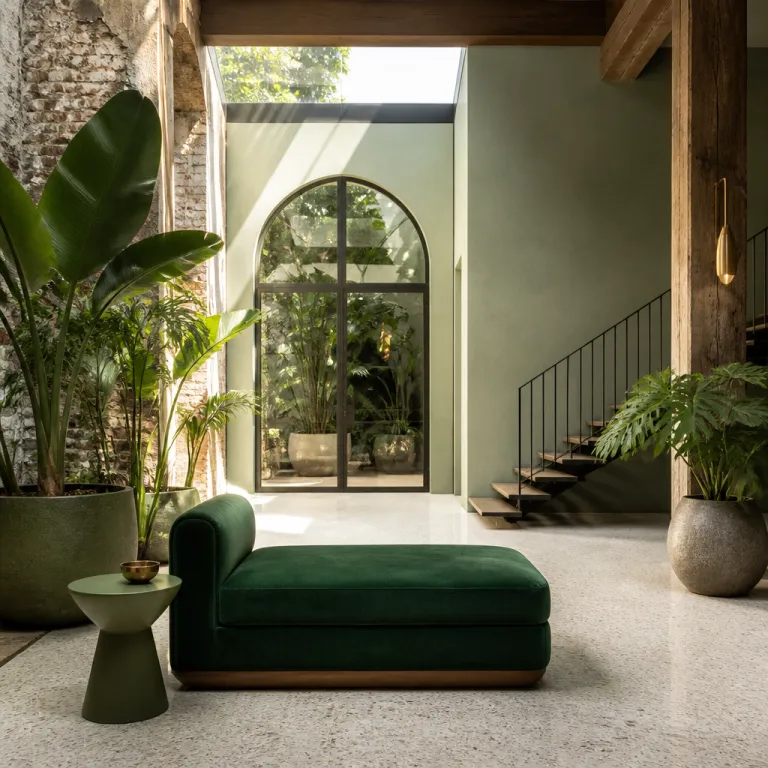
Why adaptive reuse has become Bangkok’s new luxury code
In Bangkok, the most interesting luxury hotel openings are no longer rising from empty plots. They are emerging from existing buildings through careful adaptive reuse that turns concrete shells and historic structures into layered, livable works of design. For travellers choosing between design hotels in Bangkok, adaptive reuse now signals a richer story and a deeper connection to the city’s urban life.
Adaptive reuse in hospitality means transforming an existing building into a hotel while preserving its architectural character and much of its history. Local architects, conservationists and developers treat these buildings as cultural artefacts, then weave in contemporary architecture, technology and service to meet modern expectations of comfort. The result is a new generation of hotels and hotels resorts where the environment, the city’s heritage and high end tourism development are all part of the same narrative.
Bangkok’s Tourism Authority has tracked a rise in heritage focused properties, with around 15 adaptive reuse hotels now operating across the city. These hotels occupy former offices, shophouses and even royal grounds, proving that a historic building can be reimagined without erasing its past. For guests, that means sleeping inside history rather than in a generic new building that could sit in any global city.
From unfinished apartments to industrial chic: IR-ON Hotel and its peers
IR-ON Hotel in Sukhumvit is a textbook example of how adaptive reuse can elevate an unremarkable structure into a design led address. The property began life as an unfinished apartment building, then a reuse project turned its raw concrete and steel into an industrial chic hotel that feels intentional rather than improvised. Every corridor and guest room now showcases exposed structure, proving that honest architecture can be as luxurious as marble.
Rooms at IR-ON Hotel use polished concrete, metalwork and warm wood to soften what could have been a harsh urban environment. The design team retained the original building grid, then layered in custom lighting, generous beds and thoughtful soundproofing to create a calm refuge from Bangkok traffic. This is where design hotels in Bangkok using adaptive reuse excel, because they transform structural constraints into tactile experiences you can see and touch.
Goose Living, set in a 40 year old shophouse, follows a similar path but leans into a more playful, social atmosphere. The reuse of the original shophouse building keeps the narrow façade and vertical proportions, while the interior opens into a light filled lobby that feels like a creative office crossed with a café. If you like the energy of Sukhumvit but prefer a more conventional tower, you can compare this character driven approach with the polished comfort at the Grand Swiss Hotel Sukhumvit, then decide how much history you want built into your stay.
Royal grounds, riverfront legends and the power of heritage
Some of Bangkok’s most storied hotels show how adaptive reuse can work at a grander scale. The Athenee Hotel stands on former royal palace grounds, where Thai and European architecture meet in a carefully choreographed dialogue between past and present. Here, the building’s heritage is not a marketing line but a structural fact that shapes everything from the lobby proportions to the way light falls on traditional motifs.
On the Chao Phraya River, The Siam takes a different route by folding a vast private collection of antiques into a new hotel structure. While not a pure conversion of a single historic building, it operates like an extended reuse project for Thai cultural objects, giving them a new life within a contemporary design framework. Guests move through spaces that feel part gallery, part residence, and this layered history is what sets it apart from more conventional riverfront hotels resorts.
Dusit Thani Bangkok, reborn on its original corner near Lumphini Park, represents another strand of heritage conscious development. The new architecture references the historic building’s silhouette and its role in the city’s tourism history, while updating the interiors for current expectations of luxury and sustainability. For travellers comparing design hotels in Bangkok, adaptive reuse here is less about preserving every brick and more about honouring a cultural memory that locals still hold dear, much like the way the Grand Swiss Hotel in central Sukhumvit balances contemporary comfort with a sense of place.
Sleeping inside history: what adaptive reuse changes for guests
Staying in a converted customs house, shophouse or warehouse changes how you read Bangkok’s streets. Instead of treating the city as a backdrop, you become part of its ongoing urban development story, where historic buildings are continuously edited rather than demolished. This is the quiet luxury that design hotels in Bangkok using adaptive reuse can offer, because they embed you in the city’s living history.
Adaptive reuse also tends to produce more intimate circulation routes and unexpected spaces, since architects must work around existing structures. Corridors bend, staircases reveal glimpses of old brick or timber, and rooms may follow the quirks of the original office or residential layout. These irregularities create a sense of authenticity that many travellers now value more than the perfectly efficient floor plates of a new building.
There is a sustainability dimension as well, which matters to guests who care about the environment and responsible tourism. Reusing buildings reduces the embodied carbon associated with demolition and new construction, while preserving cultural fabric that might otherwise be lost. For families planning multi generational trips, this can be a compelling reason to choose a heritage focused hotel, especially when combined with child friendly services like those highlighted in our guide to where luxury and family friendly stays truly meet in Bangkok.
Bangkok’s next wave: customs houses, art hubs and future icons
The most closely watched project on the horizon is The Langham Custom House on the Chao Phraya. This development will restore an 1888 heritage customs building and pair it with a contemporary tower, creating a vertical conversation between historic architecture and new construction. For design hotels in Bangkok, adaptive reuse at this scale signals how seriously the city now treats its riverfront history.
Across town, the former Thai Wattana Panich Printing House has been reborn as Bangkok Kunsthalle, a cultural hub for art, cinema and music. While not a hotel, this reuse project shows how historic buildings can anchor entire neighbourhoods, drawing both residents and visitors into a richer cultural environment. The same mindset is shaping hospitality, where developers increasingly see old warehouses, offices and civic buildings as opportunities rather than obstacles.
Architects and critics have framed this shift as “Heritage in Motion”, arguing that Bangkok’s historic buildings should continue to become rather than be frozen or erased. Projects like the Dib museum, created by architect Kulapat Yantrasast from a former steel warehouse, underline how adaptive reuse can extend a structure’s life while respecting its industrial history. For travellers, this means future hotels resorts are likely to appear in ever more unexpected corners of the city, turning everyday buildings into places where Thai culture, urban life and contemporary design intersect.
How to choose your adaptive reuse stay in Bangkok
When you compare design hotels in Bangkok, adaptive reuse properties reward a bit of pre trip research. Start by asking what the building used to be, because a former palace, shophouse or apartment block will each shape your stay differently. A hotel carved from a compact historic building will feel distinct from one that integrates heritage elements into a larger mixed use development.
Look closely at how each hotel talks about its history and architecture, not just its amenities. The most thoughtful projects explain which parts of the original structure remain, how they were restored and how the design team balanced conservation with comfort. This level of transparency usually signals a serious approach to both cultural heritage and the environment, rather than a superficial nod to history for tourism marketing.
Finally, consider how the property connects you to the surrounding urban fabric and Thai cultural life. A riverside customs house will plug you into the city’s trading history, while a converted shophouse in Ari or Chinatown might immerse you in everyday neighbourhood rhythms. Whatever you choose, you are not just booking a room in Bangkok ; you are stepping into a living reuse project where the building’s past and your own travel story briefly share the same walls.
FAQ
What is adaptive reuse in Bangkok hotels ?
Adaptive reuse in Bangkok hotels means transforming existing buildings into luxury or premium accommodation while preserving key historic and architectural elements. Developers and architects retain structural frameworks, façades or signature details, then integrate modern systems, interiors and services to meet current hospitality standards. This approach allows the city to protect its heritage and reduce environmental impact while expanding its tourism offer.
Why are adaptive reuse hotels popular with luxury travellers ?
Adaptive reuse hotels appeal to luxury travellers because they offer a sense of place that new builds rarely match. Guests sleep inside structures with real history, whether a former customs house, shophouse or royal compound, and that narrative becomes part of the stay. For many visitors, this combination of design, heritage and sustainability feels more meaningful than a purely contemporary tower.
Which adaptive reuse hotels in Bangkok are worth considering ?
Several properties stand out for their thoughtful approach to adaptive reuse and design. IR-ON Hotel turns an unfinished apartment building into an industrial chic retreat, while Goose Living reimagines a 40 year old shophouse as a social, design led stay. The Athenee Hotel, The Siam, House on Sathorn and the reimagined Dusit Thani Bangkok all weave heritage and contemporary architecture into compelling luxury experiences.
How does adaptive reuse affect the environment and sustainability ?
Adaptive reuse reduces the need for demolition and new construction, which lowers the embodied carbon associated with building materials and heavy works. By extending the life of existing structures, Bangkok’s hotels help conserve resources and limit waste while keeping historic buildings active in the urban landscape. For travellers who prioritise responsible tourism, choosing these properties is a practical way to align comfort with environmental values.
What should I look for when booking an adaptive reuse hotel in Bangkok ?
When booking, review how clearly the hotel explains its building’s history and the specifics of the conversion. Properties that detail which elements were preserved, how they were restored and how they support local culture usually take heritage and design seriously. You should also consider the neighbourhood context, because the surrounding streets, markets and riverfronts are integral to the overall experience of staying in a reused historic building.