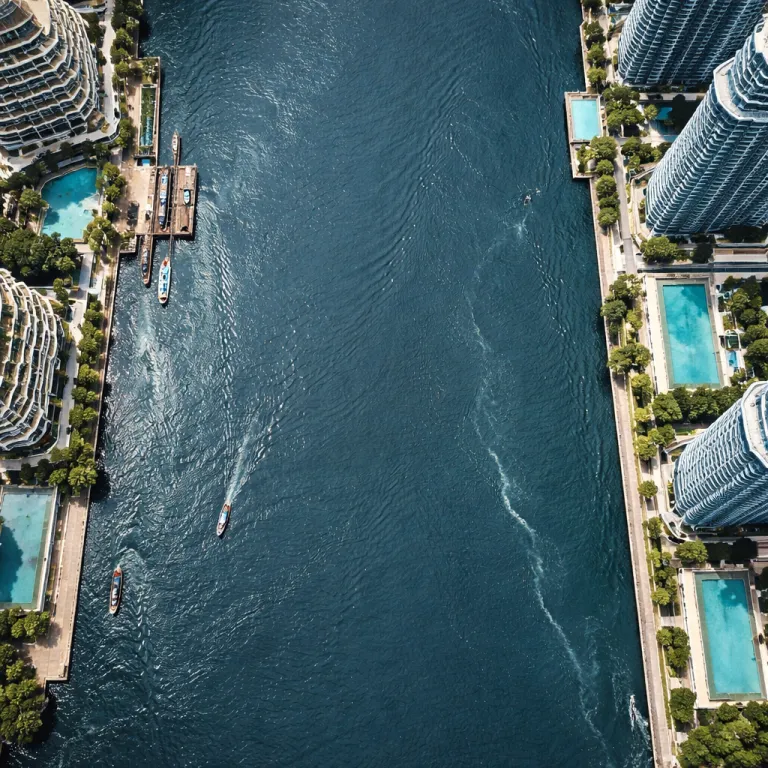
Why Bangkok’s river has become the city’s most coveted address
The most compelling luxury story in Bangkok now runs along the river. The Chao Phraya has shifted from backdrop to main stage, and riverside hotels in Bangkok are where that change feels most tangible. For couples planning a stay, this is the corridor where the city slows just enough to let you breathe.
Across the wider city, new openings still cluster around Sukhumvit and Sathorn, yet the most ambitious investments now hug the river. The Langham Custom House, set in an 1888 customs building on the Bangkok riverside and slated to open in 2026, signals how seriously global brands take this waterfront, while long-established icons such as Mandarin Oriental and The Peninsula quietly refine what a riverside hotel in Bangkok can be. When you compare hotels Bangkok wide, the riverfront properties consistently offer the most atmospheric arrival, the most cinematic views, and the most memorable sense of place.
There are clear reasons why the Chao Phraya corridor attracts such attention from both guests and hoteliers. The Chao Phraya River cuts a broad, reflective line through the city, giving riverside hotels in Bangkok a rare combination of space, breeze, and uninterrupted views that you simply do not find in most inner-city districts. For couples, that means you can book a grand suite with a private balcony, watch the river traffic at night, then be a short boat ride from Phra Nakhon’s temples or a minute’s walk from a pier that links straight into the BTS network.
East bank icons versus west bank hideaways along the Chao Phraya
Choosing between the east and west banks of the Chao Phraya is the first real decision when you plan a riverside stay. On the east side, in areas like Bangkok’s Phra Nakhon and Bang Rak, the riverfront feels historic, layered, and intensely urban. The west bank, stretching through Thonburi, offers quieter riverside hotels, more residential streets, and a softer skyline that many couples find deeply romantic.
Mandarin Oriental stands on the east bank as the grand dame of every luxury hotel Bangkok conversation, with manicured lawns that run right to the river and suites that frame the Chao Phraya like a private theatre. A short boat hop away, Shangri-La Bangkok and The Peninsula Bangkok face each other across the water, each riverside hotel offering excellent views, polished service, and easy access to BTS Saphan Taksin station via Sathorn Pier. Further upriver, Chatrium Hotel Riverside Bangkok and Avani+ Riverside Bangkok anchor a newer cluster of riverside hotels, where rooftop pools, contemporary design, and all-day river breezes appeal to couples who want a more modern Bangkok hotel aesthetic.
West bank options feel more secluded, with some properties using longtail boats as their primary link back into the city. This side is ideal if you want to wake up to wide-open views and then cross the river for an afternoon in Phra Nakhon or near Phra Arthit and Khao San without sleeping in the thick of the backpacker scene. If you are pairing Bangkok with a beach escape, the contrast between a calm riverside hotel and a coastal resort in Phuket can be especially satisfying, and an elegant guide to the best beachfront hotels in Phuket helps you balance both halves of the trip.
Boat shuttles, ferries, and why the river beats Bangkok traffic
One of the quiet luxuries of riverside Bangkok is not a spa or a suite, but a pier. When you stay at a well-located riverside hotel, the hotel’s private boat becomes your best answer to the city’s legendary traffic. Instead of sitting in a taxi on Sathorn Road, you glide along the Chao Phraya with the skyline unfolding in front of you.
Many of the best riverside hotels operate complimentary shuttle boats that run every 15 to 30 minutes to central piers such as Sathorn, where you can connect to the BTS, or to jetties near Phra Nakhon and the Old Town. Guests at properties like Chatrium Hotel Riverside Bangkok, Avani+ Riverside, and Shangri-La can check availability for these shuttles on their apps or at the concierge desk, then time their departures with almost metro-like precision. For couples, this means you can leave your room at sunset, step onto a teak boat, and arrive at a riverside bar or Wat Arun’s pier in around 10 to 15 minutes without once opening a ride-hailing app.
Public ferries and longtail boats add another layer of flexibility, especially if you want to explore beyond the immediate Bangkok riverside hotel cluster. Express boats run up and down the Chao Phraya River, linking piers near Phra Arthit and Khao San with newer developments further south, and they remain one of the most efficient ways to cross the city. If you are planning an elegant stay along the river, a dedicated guide to Bangkok riverside hotels for an elegant stay along the Chao Phraya can help you match each pier, ferry line, and riverside hotel to your own itinerary.
Heritage grandeur or modern design: how to choose your riverside style
Every couple eventually faces the same question when browsing riverside hotels Bangkok wide. Do you want to wake up inside a piece of living history, or in a glass-framed suite that feels like a contemporary gallery? The river offers both, often within a few hundred metres of each other.
Mandarin Oriental leans into heritage with polished teak, fan-cooled verandas, and a guest list that stretches back many years, while still undergoing careful renovation to keep every room and suite aligned with modern expectations. Across the water, The Peninsula and newer properties like Capella Bangkok interpret luxury through clean lines, floor-to-ceiling windows, and spa suites that open directly onto private gardens by the river. When you compare these hotels, Bangkok travellers quickly notice that heritage properties tend to offer grand public spaces and storied bars, while modern riverside hotels often deliver more expansive wellness facilities and cutting-edge in-room technology.
Upcoming projects such as The Langham Custom House will push this dialogue further, restoring an 1888 customs building into a 75-room riverside hotel with a planned outpost of the three-Michelin-starred T’ang Court from Hong Kong. For couples, the decision comes down to how you want the city to feel when you step out of your room at night. If you crave history, staying near Bangkok’s Phra Nakhon, Phra Arthit, or the older stretches of riverside Bangkok lets you walk to temples and shophouses, while design-focused travellers may prefer the cleaner lines and quieter streets around newer developments further down the Chao Phraya River.
Riverfront dining, terraces, and the romance of night on the water
Once the sun drops behind the city, the Chao Phraya becomes a ribbon of light. Dinner on a riverside terrace is where many couples finally understand why the river, not the rooftop, is the most romantic stage in Bangkok. The best riverside hotels treat their waterfront as a front-row seat, not just a backdrop.
At Mandarin Oriental, tables spill onto lawns that almost touch the river, with views that frame passing barges and the illuminated skyline in equal measure. Nearby, Shangri-La and The Peninsula offer excellent riverside restaurants where guests can linger for hours, watching the constant movement of boats that gives the Chao Phraya River its pulse. Further along, Avani+ Riverside and Chatrium Hotel Riverside Bangkok use elevated terraces and rooftop bars to create great vantage points, so you can sip a drink above the water before returning to a quiet room just a minute’s walk away.
Beyond hotel dining, the wider Bangkok riverside now hosts floating restaurants, converted warehouses, and small pierside bars that feel made for two. From a riverside hotel base, you can take a short boat ride to eat near Wat Arun, then drift back past Phra Nakhon’s spires and the softer lights around Khao San without ever touching a main road. When you plan your stay, always check availability for river-facing tables, because the most atmospheric spots along riverside Bangkok often book out several nights in advance.
Planning your riverside stay: practical tips for couples
Booking the right riverside hotel in Bangkok starts with timing and clarity. Availability along the river can tighten quickly during major holidays and festival periods, so couples should check availability early, especially for suites with direct river views. Aim for at least two or three nights by the water to feel the rhythm of the Chao Phraya River at different times of day.
When comparing hotels Bangkok wide, focus on three practical filters before you fall for the photos. First, study the exact location along the Bangkok riverside and how close each property sits to key piers, BTS stations, or landmarks such as Wat Arun and Phra Nakhon, because this will shape how easily you move through the city. Second, look closely at room categories, since a grand suite with a guaranteed river view can transform a stay, while entry-level rooms at some riverside hotels may face the city or partial courtyards instead of the water.
Third, pay attention to how each Bangkok hotel uses the river itself. Some properties, like Chatrium Hotel Riverside Bangkok, lean into family-friendly facilities and spacious rooms, while others emphasise spa rituals, private dining, or curated excursions along the Chao Phraya. If you want to understand how different neighbourhoods feel beyond the riverfront, a soi-by-soi guide to reading Bangkok’s neighbourhoods like a local will help you decide whether to pair your riverside stay with a second base in Ari, Sathorn, or another part of the city.
Reading the river: connecting Bangkok’s past, present, and future
Staying along the Chao Phraya is not just about excellent views or a shorter ride to dinner. The river is where Bangkok’s story began, and where its hospitality scene now feels most confident about the years ahead. For couples, a few nights in a riverside hotel can turn a busy city break into something slower, more layered, and unexpectedly intimate.
From Phra Nakhon’s royal temples to the quieter jetties near Phra Arthit and Khao San, the Chao Phraya River links districts that might otherwise feel disconnected. Luxury riverside hotels have learned to use this geography, offering boat excursions that trace the city’s evolution from trading port to modern capital, while still leaving space for private moments on a balcony or in a grand suite. When you look back on a stay in Bangkok, it is often the small river rituals — the morning coffee watching barges slide past, the night boat back from Wat Arun, the soft hum of engines below your room — that stay with you longest.
As more brands move into riverside Bangkok, from heritage-focused projects like The Langham Custom House to design-forward newcomers, the competition quietly benefits guests. Service levels rise, spas become more ambitious, and every hotel Bangkok wide that faces the river must work harder to justify its rates and its place along the water. For travellers who care about both romance and rigour, that makes the Chao Phraya not just a scenic backdrop, but the most compelling organising principle for choosing where to sleep in this endlessly layered city.
Key figures that define Bangkok’s riverside hotel scene
- There are numerous established luxury riverside hotels in Bangkok along the Chao Phraya, creating a concentrated corridor of high-end options compared with many other parts of the city.
- Industry reports and tourism data indicate that occupancy at these riverside hotels often trends higher than at comparable inland properties, reflecting sustained demand from both leisure and business guests.
- The typical nightly rate for a luxury riverside hotel in Bangkok frequently sits in the upper mid-range to premium bracket, with many five-star properties quoting starting rates that are still below equivalent river-view suites in cities like Singapore or Hong Kong.
- Major projects such as The Langham Custom House represent multi-billion-baht investments according to public announcements by the developers, signalling long-term confidence in the Bangkok riverside as the city’s most strategic hospitality corridor.
Frequently asked questions about riverside hotels in Bangkok
What are the best riverside hotels in Bangkok?
What are the best riverside hotels in Bangkok? Mandarin Oriental, The Peninsula, Shangri-La, Avani+, and Chatrium. These names consistently appear at the top of guest rankings for service, river views, and overall experience along the Chao Phraya.
Do riverside hotels offer shuttle services on the river?
Do riverside hotels offer shuttle services? Yes, many provide complimentary boat shuttles. These boats typically connect the hotel pier with central transport hubs such as Sathorn Pier for the BTS, or with key cultural areas along the Chao Phraya River.
Are riverside hotels close to major cultural landmarks?
Are riverside hotels close to cultural landmarks? Yes, they are near temples and historical sites. From most riverside hotels Bangkok wide, you can reach Wat Arun, the Grand Palace area in Phra Nakhon, and the Phra Arthit and Khao San district within a short boat ride.
Is it expensive to stay at a riverside hotel in Bangkok?
Is it expensive to stay at riverside hotels? Yes, they are generally luxury accommodations. With many nightly rates around the premium level for high-end properties, couples should budget for an upscale stay, though shoulder-season dates sometimes offer excellent value.
Do riverside hotels guarantee direct river views from every room?
Do riverside hotels have river views? Yes, most offer scenic Chao Phraya views. However, not every room faces the water, so you should always check availability for specific river-view categories and confirm the exact outlook of your chosen room or suite before booking.